

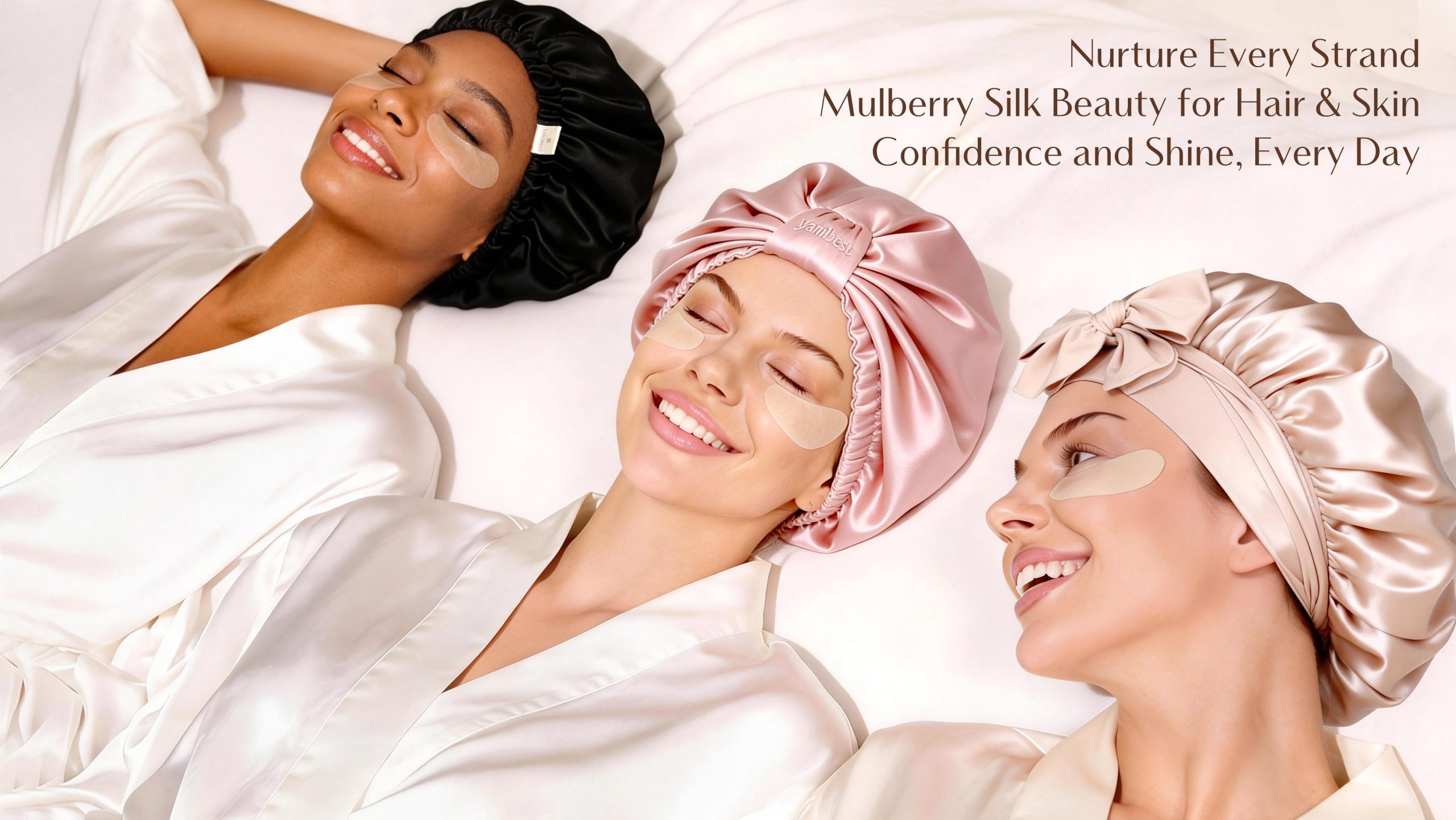
Opening comparison that guides choice
When you compare eye masks for sleep, the right fit and fabric change what you actually get: darker, cooler, less rubbing against skin and hair. A silk pillowcase often appears alongside the best masks in product photos because silk reduces friction and preserves moisture; if you already use one, pairing it with a compatible mask improves results. This piece uses side-by-side logic to weigh materials, structure, and real-world trade-offs so you can decide which mask solves your specific sleep problem.

Why a comparative approach helps
Not every “dark” mask blocks the same wavelengths or feels the same on your face. The choice matters for people who sleep on their side, have sensitive skin, suffer light sensitivity, or travel often. Comparing features lets you match a mask to how you sleep rather than guessing from brand blurbs.
Materials: how fabric changes performance
Fabric affects sensation, breathability, and cleaning. Cotton and microfleece feel soft but absorb oils and moisture. Memory foam contours well and blocks light tightly but can trap heat. Satin imitates silk’s slick surface but often uses synthetic fibers that behave differently after washing. High-grade mulberry silk pillowcases set a clear expectation for what silk can do: lower friction, a cooler touch, and long filament strength that keeps a mask smoother over months.
Structure and fit distinctions
Look at how a mask contacts the face. Flat masks can press on lids; contoured masks create a gap at the eyes to avoid pressure. Adjustable straps that stay put matter more than soft padding alone. A molded nose bridge eliminates light leaks at the center better than huge foam pads. If you sleep on your side, a low-profile edge keeps the mask from sliding and reduces strap tension.
Light-blocking and the illusion of darkness
Claims like “100% blackout” mean little without testing for gaps. A tight seal around the nose and temples matters more than material opacity. Black interiors reduce perceived light, but a dark lining plus contoured shape wins most real-world tests. Consider how your pillow shifts—if your mask moves, perfect materials won’t help.
Thermal behavior and breathability
Some masks trap heat; others pull it away. Silk and satin feel cool to start and are breathable, while dense memory foam insulates. If you run hot, avoid heavy fill and look for perforated foam or mesh vents. For cold sleepers, thicker foam can add welcome warmth but bear in mind it affects weight and pressure.
Care, longevity, and practical testing
Easy washing extends a mask’s useful life. Silk requires gentler care; some silk-blend masks recommend hand wash. Foam can break down with repeated machine cycles. Seams and strap hardware are common failure points. A mask that survives weekly gentle laundering for a year without distortion is a practical minimum for value.
Health and skin implications
Friction contributes to hair breakage and sleep wrinkles. Smooth surfaces reduce that mechanical damage. Allergies matter: some fillings use latex or synthetic fibers that irritate. If you have acne-prone skin, choose washable covers and replace masks regularly to avoid oil buildup.
Common buying mistakes to avoid
Choosing by color or price alone is a frequent error. Oversized masks that press on the eyes give the illusion of luxury but cause discomfort. Buying non-adjustable straps for a smaller face leads to slippage. Ignoring return policies traps you with an untested fit—try small, proven vendors or retailers with clear trial options.
Quick comparative guidance for typical sleepers
Side sleepers: low-profile contoured mask, thin edge, secure strap. Back sleepers: deep-cup masks that avoid eyelid contact. Hot sleepers: silk or ventilated foam. Travelers: lightweight, compressible masks with a carrying pouch. For a balanced blend of skin-friendly surface and nighttime comfort, weigh silk-faced options against ventilated foam to decide whether softness or thermal control is your priority.
Final synthesis and practical value
Comparative thinking narrows choices to what actually matters for your sleep: fit, light seal, thermal behavior, and care. Pairing a suitable mask with compatible bedding—like a quality silk pillowcase—reduces friction and improves consistency. After weighing trade-offs plainly, the best outcome is one that solves your main sleep friction with a durable, washable design; that practical solution is what I find consistently available through focused specialty collections like yanibest.