

Why traditional shelf pricing breaks down
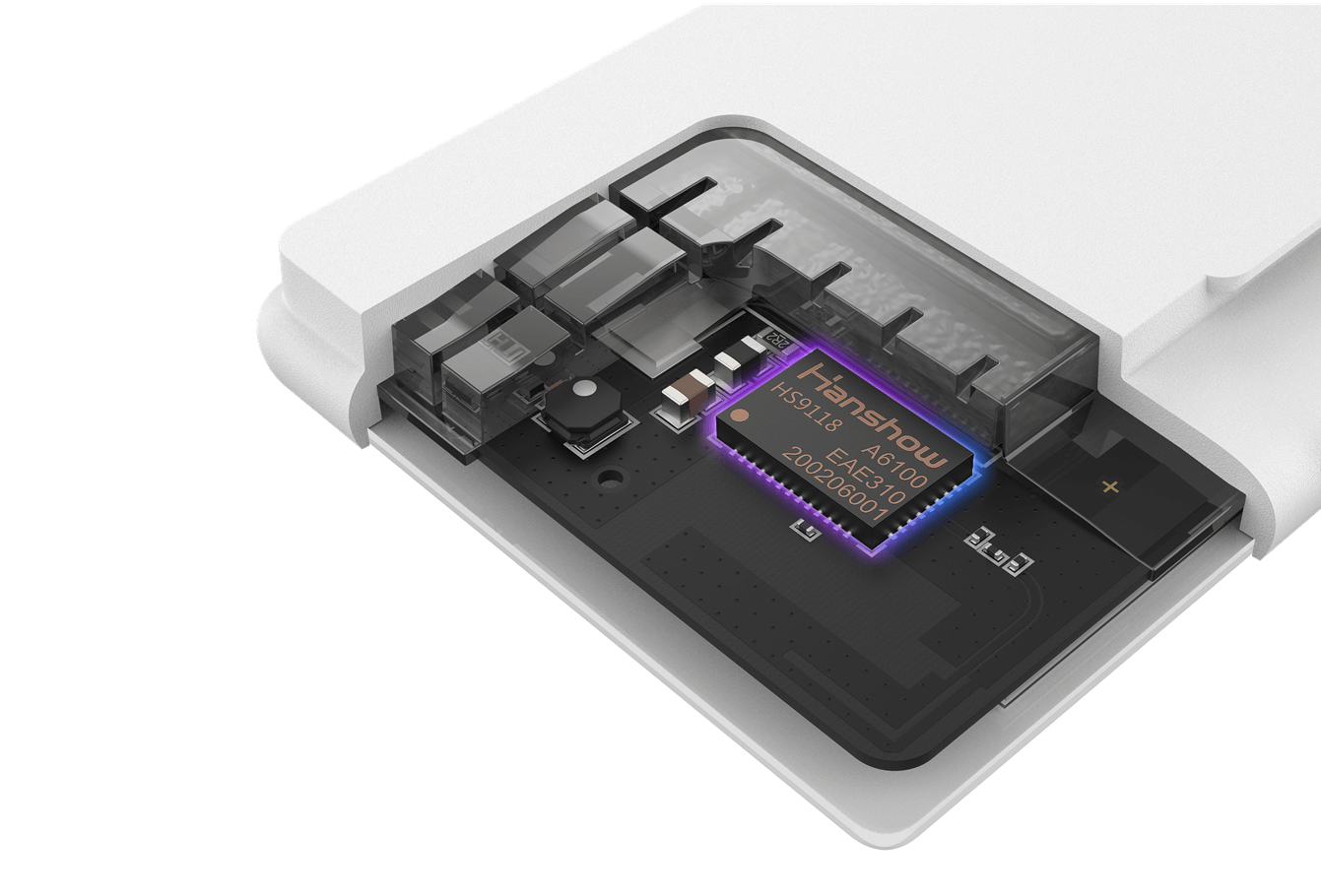
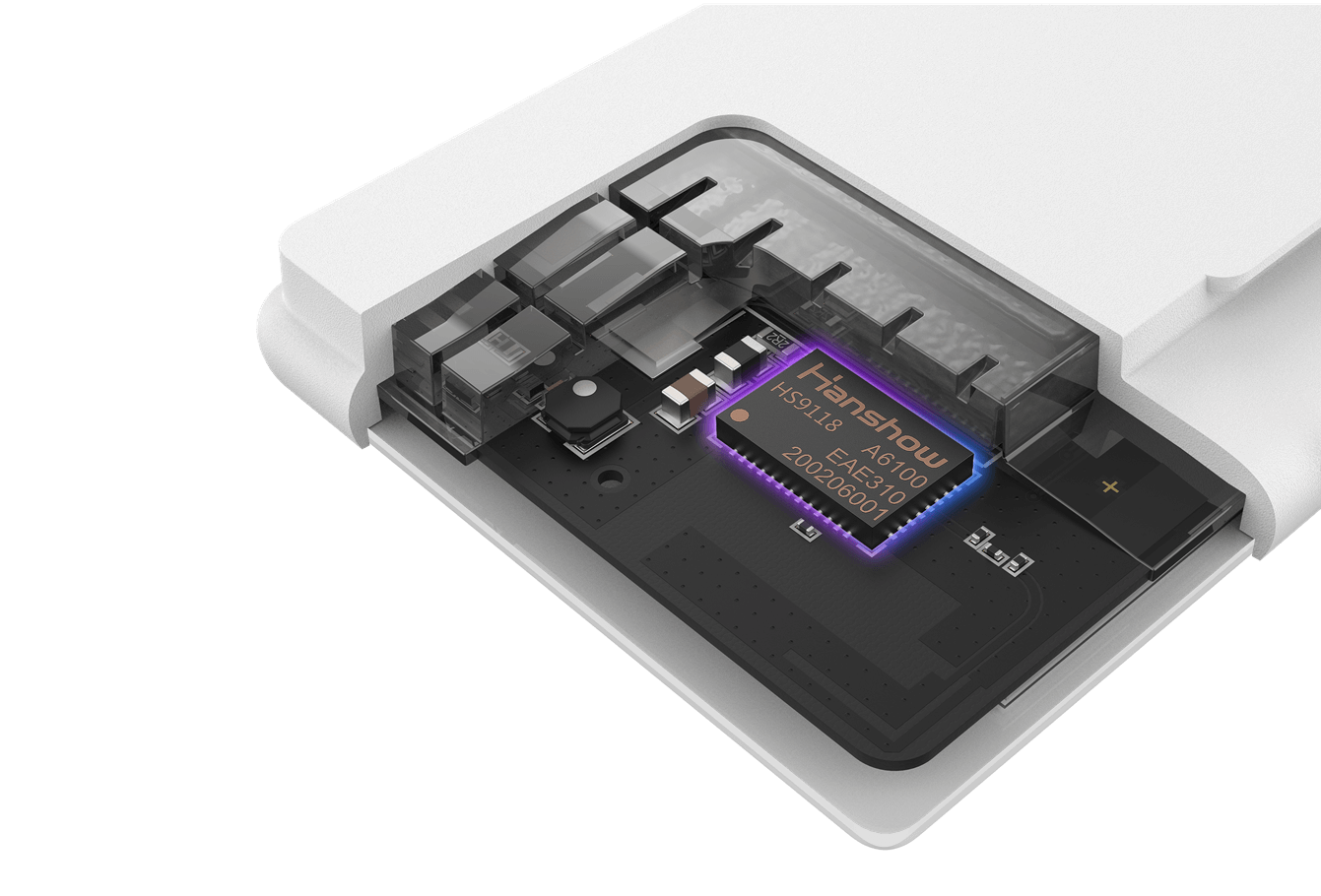
I still remember walking a 120-store rollout in the Chicago loop back in March 2021 and seeing store teams scramble to correct handwritten labels while a flash sale ran—chaos. Scenario: a regional chain runs a weekend promotion; data: 300 SKUs need updates and staff take six hours to change tags; question: how often do you accept that window of error? I bring up Hanshow nebular because we used it in that rollout to replace paper tags with a cloud-connected electronic price tag, and the difference was immediate. I’ve spent over 15 years in B2B supply chain and retail operations; I’ve seen the same recurring flaws: manual price latency, SKU mismatches at point-of-sale, and version control problems that eat margin. Those problems hide as small losses—mispriced SKUs, confused floor staff—but they compound quickly (especially during peak season). Now let’s dig into why the typical fixes fail and what users silently tolerate.
First, manual updates are brittle—staff shortages, misreads, handwriting errors. Second, point solutions (a label printer here, a handheld there) rarely integrate with core systems; they create islands instead of a real-time feed. Third, many teams underestimate the operational cost: I tracked one client who lost 1.8% margin across a promo week simply because price tags lagged behind POS changes. That’s quantifiable. The real hidden pain is not the price tag itself but the downstream reconciliation and customer trust erosion that follows. These are not abstract issues—they hit inventory accuracy, promotions, and customer experience directly. Moving on.
From diagnosis to design: a forward-looking comparison
Technically speaking, the shift requires treating labels as endpoints of an IoT ecosystem rather than isolated paper artifacts. I’ll be blunt: replacing paper with an electronic price tag is necessary but insufficient. You must map the data flows—POS, ERP, pricing engine, and the ESL network—so updates propagate atomically. In my experience deploying ESL systems, the decisive elements are latency, audit trail fidelity, and integration quality (API readiness matters). We measured one client where real-time updates reduced price mismatch incidents from 42 per week to under 3—no kidding. That’s the kind of measurable result you should expect if implementation is done right.
What’s Next?
Here’s how I prioritize decisions: first, test a small cluster of high-turn SKUs to validate latency and SKU mapping; second, insist on API-level integrations with your ERP so price changes are single-source; third, measure the reconciliation burden before and after rollout. I recommend running a two-week pilot in a high-traffic store and tracking three metrics: time-to-update, mismatch incidents, and staff hours saved. The pilot I ran in Q4 2022 at a suburban grocery cut manual label time by 85% and freed two full-time equivalents—real gains. Also—pause—anticipate device firmware updates and network maintenance; they matter.

Compare systems by asking: does the ESL vendor support batch updates, differential pricing by channel, and a secure API? Does the network scale beyond a single store? These technical points separate marketing claims from operational reality. I firmly believe that choosing the right partner is about sober metrics, not flashy demos. For wholesale buyers, the payoff is straightforward: fewer pricing errors, faster promotions, and cleaner audits. I’ve seen it reduce shrink and improve compliance within months. Three quick evaluation metrics to close: update latency (seconds), integration completeness (ERP + POS + pricing engine), and total cost of ownership over 36 months. Consider these when you evaluate any solution—then check implementation readiness. Hanshow