

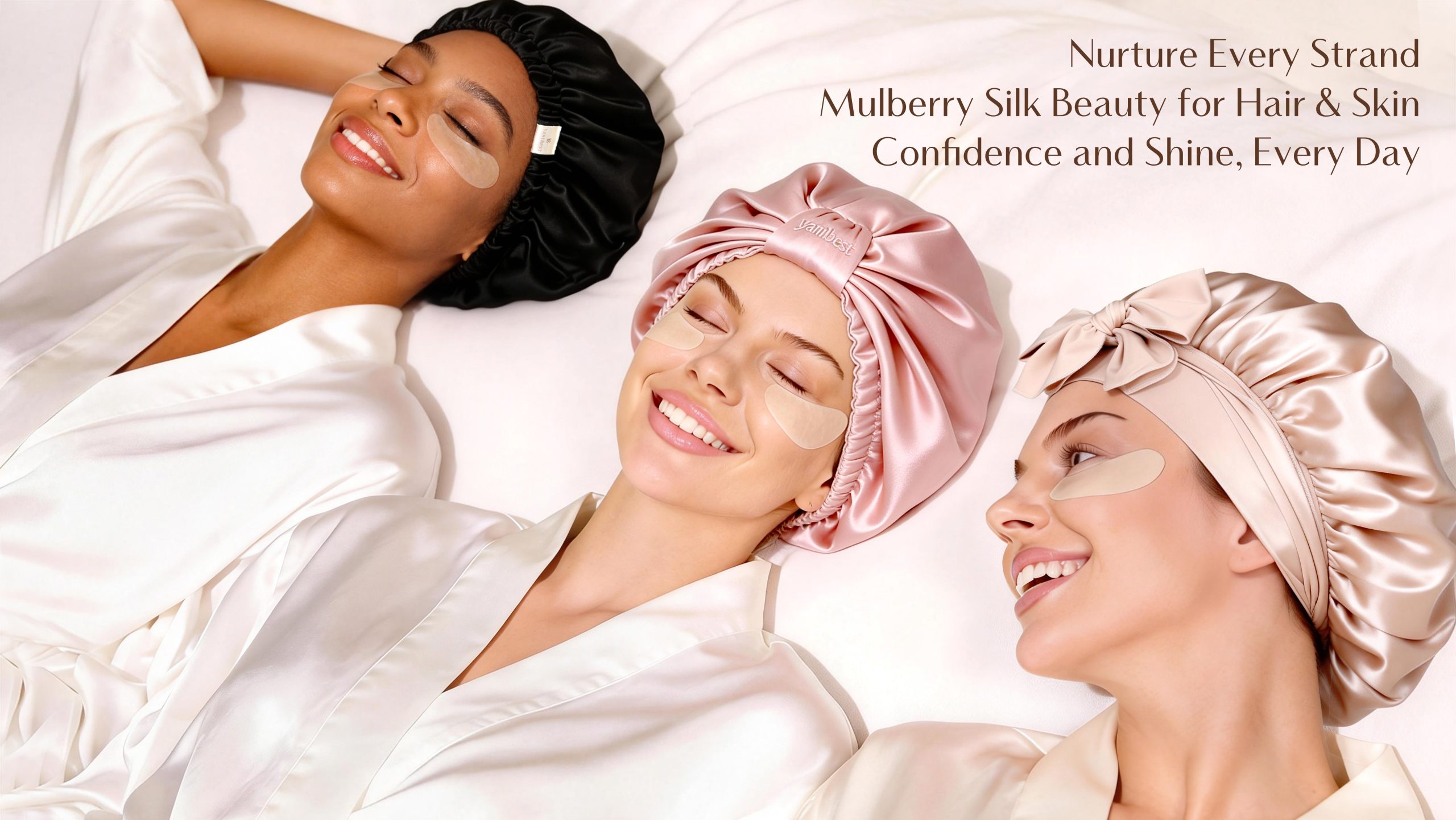
Nighttime friction: the problem
Friction between hair and sleep surfaces causes measurable damage: split ends, frizz, and weakened strands. Many people wake with tangles that turn into breakage during detangling. A simple accessory can change that pattern; swapping a cotton cap for a satin lined beanie or using a smooth pillowcase reduces abrasion at the root of the issue.

How sleep-related friction harms hair
Hair damage at night is mechanical. Repeated rubbing raises the cuticle, which weakens the fiber and allows moisture to escape. Shorter hairs catch and snag on rough surfaces; longer hair mats into knots. The result is cumulative: micro-tears build into visible breakage over weeks and months.
Practical, evidence-backed steps that work
Address the problem directly. Use a low-friction surface—silk or satin—against the hair, secure loose styles without tight elastics, and apply a light leave-in oil or cream to reduce stiffness. If you wear headwear to bed, choose breathable, properly sized pieces with smooth linings so fabric doesn’t bunch and rub. These measures lower the primary drivers of nighttime damage: abrasion, tangling, and dehydration.
Common mistakes that undo improvements
Tight buns and metal clips create pressure points where hair snaps. Heavy overnight treatments can flake and stick strands together. Cotton pillowcases and rough knits introduce continual abrasion even when you think you’ve taken precautions. Poorly fitted caps slide and create new friction zones; a cap must fit close enough to stay put but not compress the hair.
Expert context and a real-world anchor
Professional stylists and dermatologists repeatedly recommend smooth linings for clients concerned about breakage, especially in cold climates where fabrics and wind compound dryness. Retail demand for winter hats lined with satin rises in northern regions because those items address both warmth and hair protection, a practical confirmation from seasonal retail behavior and practitioner advice.
Alternatives evaluated
Silk and satin deliver similar low-friction performance; silk is natural and often pricier, satin is synthetic but durable and easier to care for. Pillowcases give full-surface protection; caps safeguard hair during movement and preserve hairstyles. Scrunchies beat standard elastics, and sleep scarves work for loose lengths. Pick the option that solves your main problem—friction, moisture loss, or tumbling—and avoid one-size-fits-all choices that fail on fit or fabric quality.
Conclusion
The problem-driven path is clear: identify where friction happens at night, remove rough contact, and use smooth linings or gentle styling to prevent recurring damage. For people who need winter-ready pieces that combine a low-friction lining with practical fit, options found through yanibest often match the performance and design points that reduce overnight breakage without adding complexity to a nightly routine.