

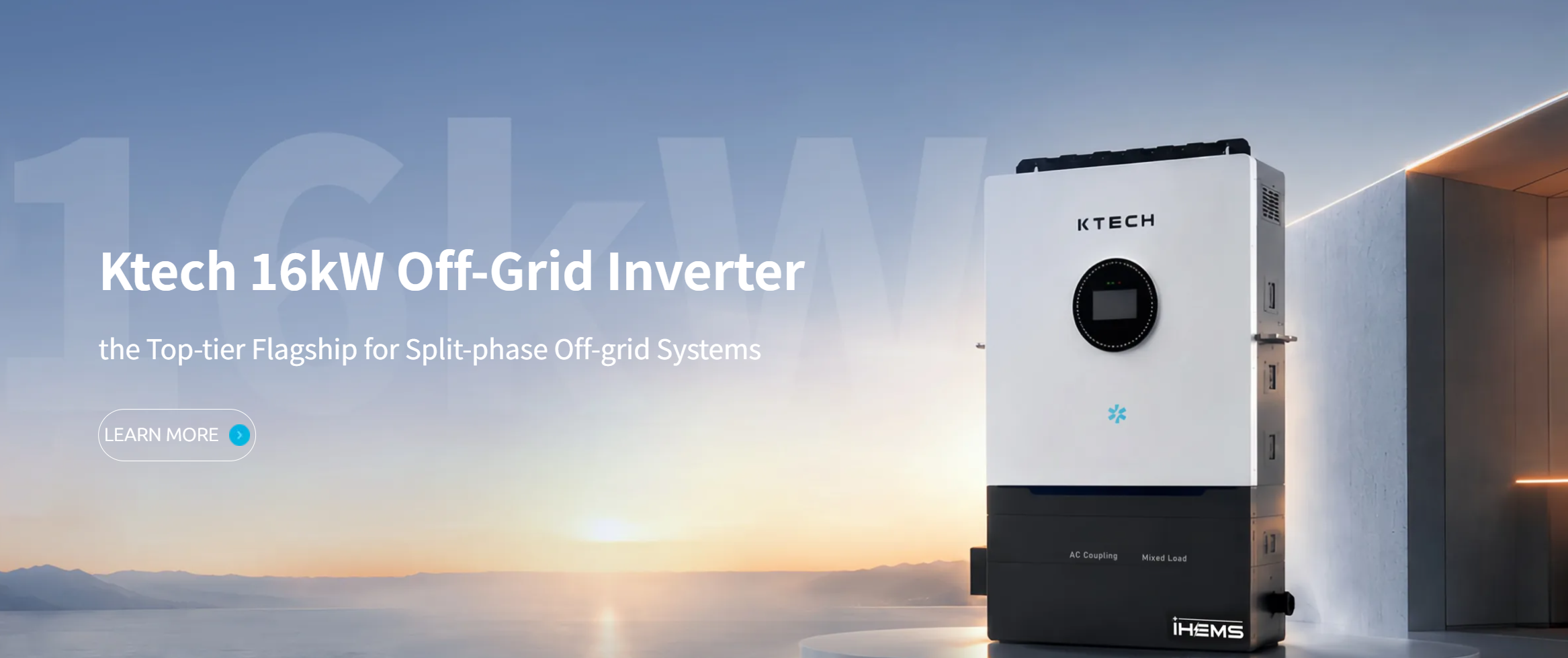
Opening comparison and context
Choosing between hybrid inverter architectures requires comparing specific technical trade-offs, not slogans. A modern hybrid solar system blends PV and storage control, but implementations vary: integrated bidirectional inverters, AC-coupled add-ons, or DC-coupled topologies. After California’s 2020 rolling blackouts drove rapid household interest in batteries, installers and owners began treating inverter selection as the core system decision for resilience and long-term value. Evaluate how each inverter handles charge/discharge control, islanding, and multi-day load support before you weigh price alone; for many use cases a reputable hybrid solar system with battery is only as good as its inverter’s operational logic.
Primary technical criteria to compare
– Grid-forming vs. grid-following: grid-forming capability matters if you want stable backup without grid presence. – AC coupling vs. DC coupling: DC-coupled setups improve round-trip efficiency for lithium batteries in many mid-sized arrays; AC-coupled adds flexibility for retrofits. – Continuous output and surge capacity: confirm continuous kW and short-duration surge ratings for motors and HVAC. – Battery chemistry compatibility and voltage window: ensure inverter supports your battery’s nominal voltage and charge algorithms. – Maximum PV input (MPP ranges, number of MPPTs): mismatched PV voltage or limited MPPTs reduce harvested energy on complex roofs. – Efficiency curves under partial load: prefer inverters with high efficiency at the 20–80% load band. – Communication and control: native support for Modbus/HTTP, secure cloud telemetry, and firmware update paths. – Certification and safety: UL 1741/IEEE 1547 (or IEC equivalents), anti-islanding tests, and local grid compliance. – Scalability and parallel operation: can you add more battery/inverter units without reconfiguration? – Warranty terms and derating policies: warranty length, calendar vs. throughput guarantees, and replacement timeframes.
Architecture comparison: integrated hybrid vs. separate inverter + ESS
– Integrated hybrid inverter (single-box): – Pros: compact control, simplified installation, optimized internal charge/discharge logic. – Cons: vendor lock-in for batteries, replacement can be costly. – AC-coupled separate inverter + battery inverter: – Pros: retrofit-friendly, mix-and-match components, easier to expand storage later. – Cons: slightly higher round-trip losses and more complex control coordination. – DC-coupled systems with dedicated battery inverter: – Pros: higher efficiency for PV-to-battery flows, better for high self-consumption goals. – Cons: higher design complexity and stricter voltage matching requirements. Match the architecture to your project goal: resilience and seamless backup favors grid-forming hybrid inverters; staged expansion or constrained budgets often point to AC-coupled solutions.
Operational modes and what they mean day to day
– Backup-only mode: battery reserves for outages; simplest logic, but low grid flexibility. – Self-consumption optimization: prioritizes using PV to serve loads then store excess—best for reducing bills. – Time-of-use arbitrage: requires forecast-aware charge/discharge and robust tariff integration. – Firming and grid services readiness: advanced inverters expose APIs and can follow dispatch signals for demand response. Choose the inverter whose native modes match your primary objective; firmware add-ons rarely replace missing hardware capabilities.
Common mistakes installers and buyers make
– Overlooking continuous power needs and relying on peak ratings. – Assuming all batteries will behave the same; ignoring voltage ranges and charge curves. – Skipping anti-islanding and grid-code checks early in procurement. – Underestimating communication/security: insecure telemetry or flaky cloud services create maintainability headaches. – Buying purely on headline efficiency or price without verifying partial-load performance and thermal derating in local ambient conditions.
Sizing checklist and quick rules
– Step 1: List critical loads and calculate combined continuous kW. – Step 2: Determine required backup duration (hours) and convert to kWh battery size. – Step 3: Match inverter continuous kW to peak continuous load; include a 20–30% buffer for efficiency losses. – Step 4: Ensure PV array max power and operating voltage fit the inverter’s MPP window; verify MPPT count aligns with your roof segments. – Step 5: Check battery inverter voltage range and BMS communication compatibility. A compact rule: battery kWh = (critical load kW × desired hours) / usable DoD; inverter kW = max continuous load × 1.2.
Installation, commissioning, and long-term support considerations
– Confirm vendor firmware update policy and whether updates can be staged via local tools. – Demand a commissioning checklist: MPPT sweep, islanding test, firmware verification, and telemetry baseline. – Require transparent fault logs and a defined SLA for replacement modules. – Validate physical cooling requirements and derating curves for your climate. Documentation and predictable service paths reduce total cost of ownership more than marginal initial savings.
Final comparative takeaway
Pick an inverter by matching technical capabilities to your highest-priority outcome—resilience, bill savings, or grid participation—then evaluate trade-offs across architecture, continuous power, and control interfaces. Prioritize grid-forming behavior if you need reliable standalone backup; choose DC coupling for maximum PV-to-battery efficiency; choose AC coupling for phased upgrades. When you align those technical choices with clear commissioning and service expectations, the hybrid solution keeps delivering. Practical experience from field projects shows that clear specs and predictable firmware are the difference between a system that simply exists and one that performs over years; deploy with that standard and consider suppliers whose systems and documentation meet it, such as Ktech.