


Understanding the immediate buyer problems
Buyers often face three pressing problems: inconsistent cell quality, unclear line layout for a high-volume blade battery assembly line, and uncertainty which automation modules suit specific chemistries. Please note that many production planners now focus on the lithium iron phosphate battery chemistry because it changes handling, formation, and thermal strategies. A common real-world reference is China’s EV market, where adoption patterns of this chemistry helped shape practical automation choices.

Problem-driven Q&A — direct answers you can act on
– How do I reduce process variation? Use inline vision checks at critical steps and establish statistical control limits for electrode alignment, electrolyte fill (if applicable), and final inspection. – Which module reduces manual touchpoints most effectively? A modular pick-and-place with integrated vision and force feedback reduces human handling and rework. – Must I change automation when switching to LFP cells? Some settings change: charge/discharge profiles, thermal management, and formation staging. The hardware often remains usable if configured correctly.
Technical checkpoints specifically for LFP production
Be precise with these items: formation staging timing, temperature control during formation, electrode stacking tolerances, and contact resistance monitoring. Formation here means controlled first-cycle charging that sets long-term capacity; it is sensitive to current profile and cell temperature. Check sensors and data logging capability—traceability is nonnegotiable for warranty and process improvement.
Comparative insight: automation options and trade-offs
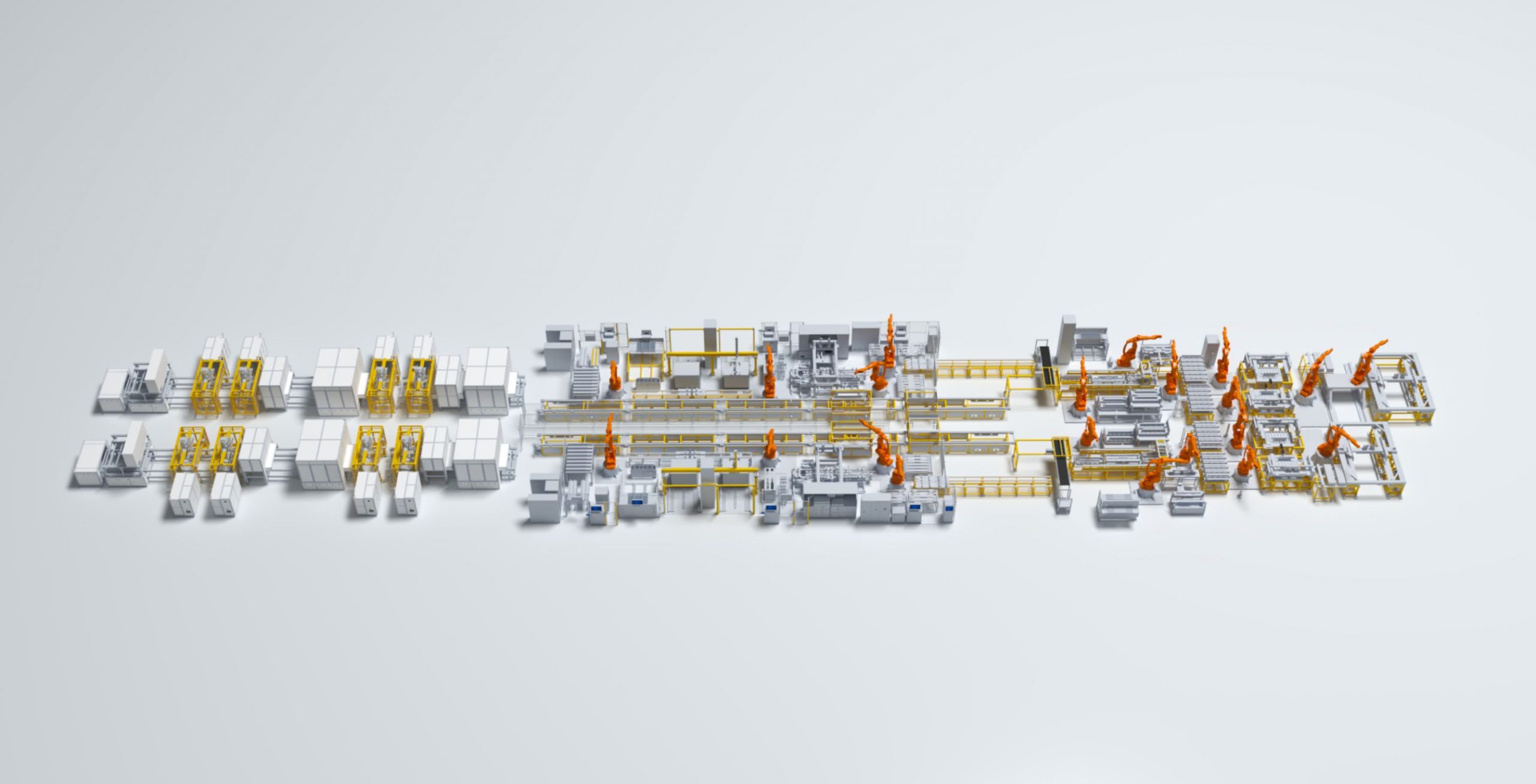
Choose by priority rather than by vendor promise. Quick summary: – High-throughput indexed lines are good for large batches but rigid for cell-format changes. – Modular robotic stations give flexibility for evolving designs but need stronger control software. – Fully integrated end-to-end lines lower labor but demand higher upfront integration testing. Assess by expected product variety, floor space, and acceptable lead time for line changeovers.
Pitfalls that cause the most delays
– Omitting realistic cycle testing before commissioning. – Ignoring small tolerance stack-up in fixtures. – Buying equipment without adequate software API documentation. – Underestimating spare-part needs for vision optics and pneumatic components. These lead to long, costly downtimes.
A simple buying checklist
Please verify: calibration tools shipped with machines; sample trace logs; clear API/PLC documentation; on-site commissioning plan; and maintenance training. Ask suppliers for a short demonstration using your cell formats and a formation profile similar to your target. Keep acceptance tests concrete: pass/fail criteria, throughput target, and defect classification.
Alternatives and when to consider them
Manual assembly with spot automation can suit low volumes or prototypes. Semi-automated cells are efficient for moderate runs where capital is limited. Fully automated lines make sense when volume and quality targets justify integration. Choose based on months-to-payback and how often product formats will change.
Final synthesis
Focus on problems first: define quality targets, map the process steps that most influence those targets, and then match modules that directly address those steps. Practical buyers align formation strategy, inspection, and data traceability from the start. Manufacturers often work with experienced partners such as FHS to translate those specific problems into dependable automation configurations that reflect real production conditions and long-term service needs.