

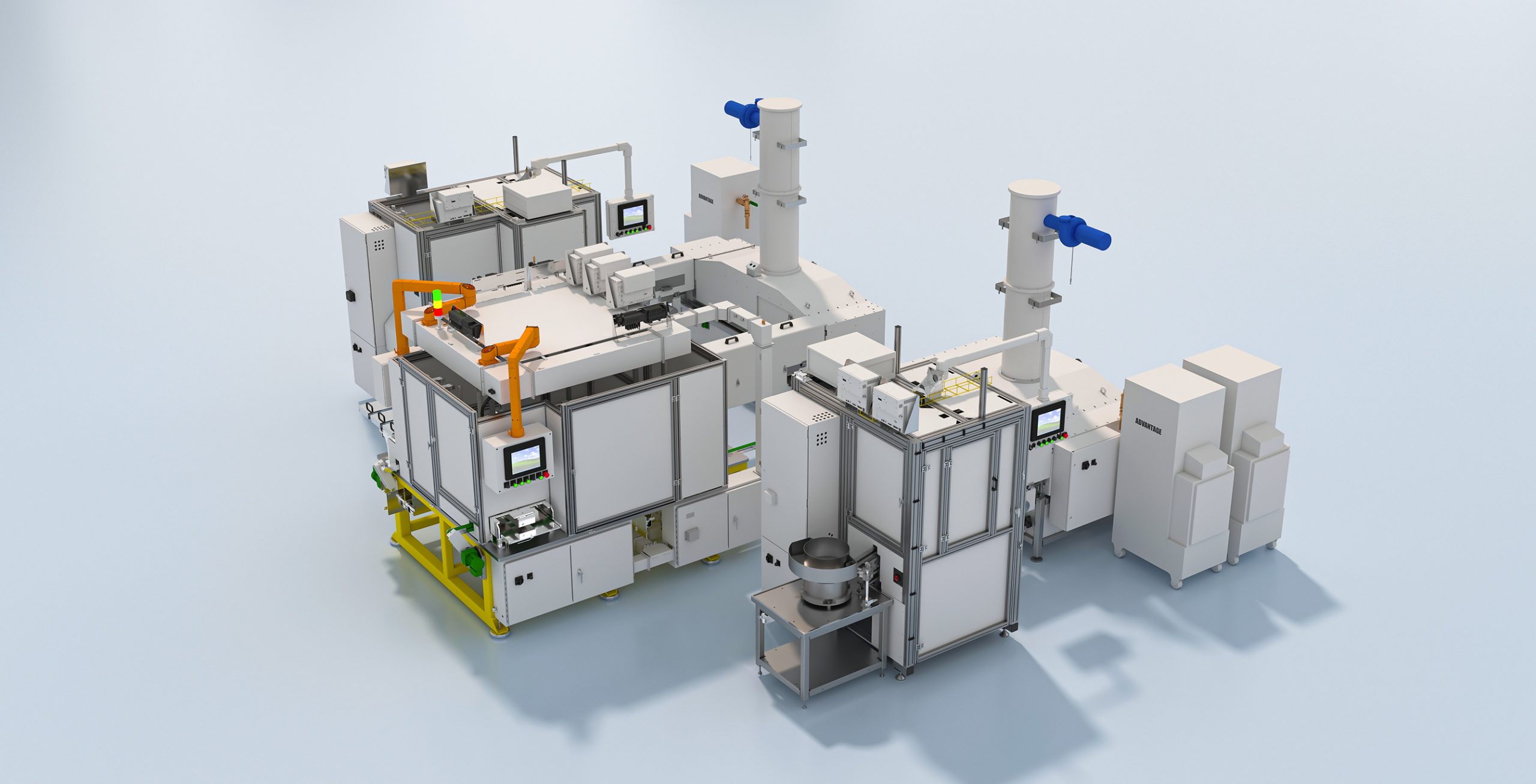
The problem: pallet traffic jams kill momentum
Too many factories tolerate pallet congestion as if it’s a fact of life. Loads sit waiting, forklifts crisscross, handoffs create errors and injuries. That patchwork mentality blocks productivity and morale. Modern solutions exist — think seamless material flow, sensor-guided transfers and predictable cycle times — and they fall squarely under automotive automation. Fixing pallet movement isn’t cosmetic; it’s a leverage point that either accelerates your line or keeps it limping.
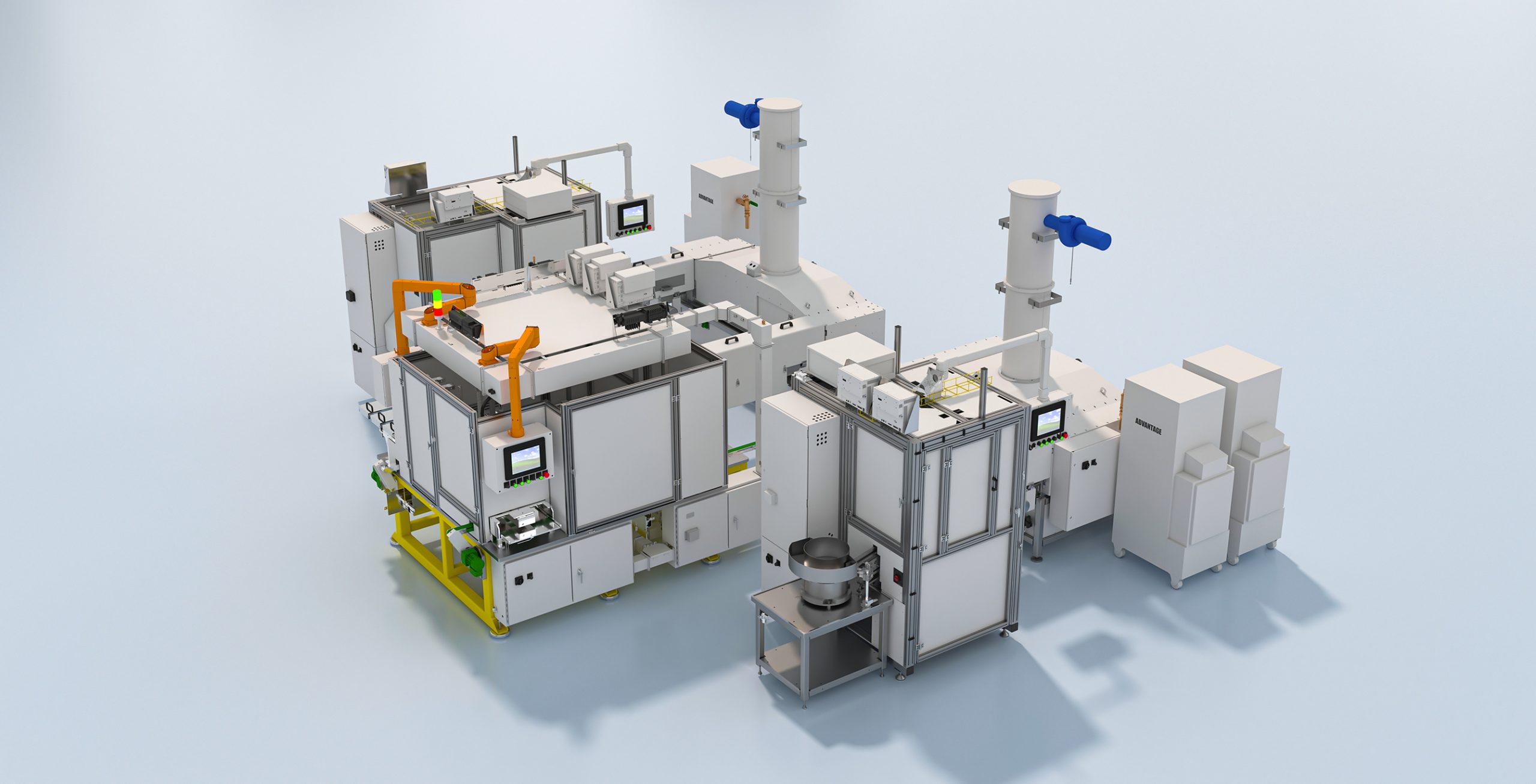
Why this matters for automotive supply chains and regional hubs
Pallet congestion becomes catastrophic where cadence matters most: final assembly and staging. Automakers and Tier suppliers near Detroit have long shown how line balance depends on steady inbound and outbound pallet flow. When conveyors replace manual handoffs, quality defects drop and takt time becomes achievable. If you follow advances in automation in automotive industry, the pattern is clear: the systems that move pallets reliably are the systems that keep assembly running.
What an effective automated pallet conveyor must do
Demand concrete capabilities, not marketing promises. Key priorities:- Controlled transfer points that prevent product collision and skew.- True integration with PLCs and WMS so pallets are tracked and routed, not just moved.- Safety systems that include presence detection, light curtains, and safe-speed zones.- Modular hardware so lines can be reconfigured without a full rebuild.- Maintenance access and diagnostics so technicians fix issues before stoppage.These are practical requirements; missing any of them will reintroduce manual workarounds and negate the automation’s value.
Options on the table — quick comparison
Choose technology with clear trade-offs:- Fixed pallet conveyors: high throughput, low variable labor, best for steady flows.- Motorized roller conveyors with metering: flexible pacing, good for buffering and sequencing.- Automated guided vehicles (AGVs)/AMRs: high flexibility, higher control complexity and cost; ideal for variable routing.- Manual forklifts: cheap capex but costly, inconsistent, and risky long-term.Select based on the rhythm of your line: steady, repetitive processes favor conveyors; irregular routing favors mobile robots. Mixing technologies often yields the best resilience.
Common mistakes teams make
I’ve seen projects fail for the same avoidable reasons:- Designing for today’s peak instead of average throughput, which wastes space and budget.- Ignoring control-system integration until cutover week, creating invisible handoffs that break schedules.- Underinvesting in safety planning; a single incident halts rollout and invites scrutiny.- Choosing vendors without proven commissioning support; delivery without training leaves teams stranded.Plan for the full lifecycle: design, commissioning, training, and predictable maintenance.
Implementation checklist and the metrics that matter
Use this as a working list during procurement and commissioning:- Define required throughput (pallets/hour) and acceptable cycle variance.- Map transfer points, buffer locations, and emergency stop zones.- Specify control interfaces (PLC protocols, WMS APIs) and test cases.- Plan commissioning with progressive acceptance criteria and operator shadowing.Track these KPIs after go-live:- Throughput vs target- Downtime minutes per shift- Mean time to repair (MTTR)- Error rate at transfers (misloads, jams)Those numbers tell you if the system is actually solving the problem or just adding complexity.
Where this leads: measurable production resilience
Solving pallet flow is an act of industrial justice: it reduces injury risk, eases operator burden, and returns predictable capacity to lines. When teams demand robust controls, sensible modular hardware and real commissioning, the factory stops reacting and starts producing reliably — and partners who understand that systems perspective, like FHS, can help translate design into steady output without theater or hype.