

Framework summary
This framework lays out clear stages to build a product strategy that relies on active RFID tag manufacturers. Begin with defined outcomes, then select partners, then validate technology, then scale. For projects that require custom integration and specialized firmware, consider custom hardware and firmware early; a practical path is to engage custom iot solutions while you map use cases and constraints.
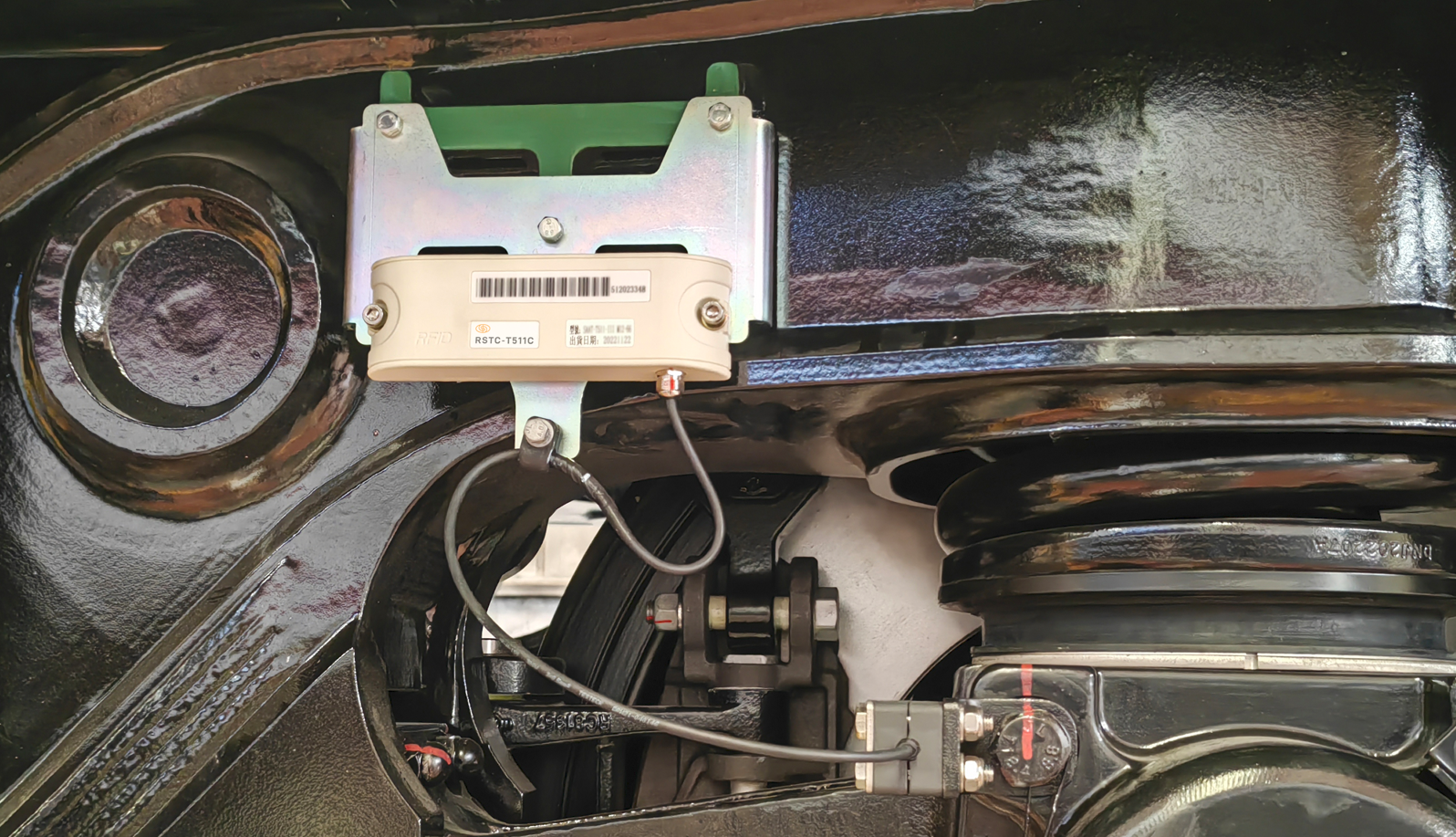
Stage 1 — Define measurable outcomes
Set two or three outcome metrics. Example: reduce asset search time by X minutes, increase location confidence to Y percent, or cut unplanned downtime by Z days per month. Outcomes must be numerically tracked so hardware choices map to measurable business impact. Keep metrics short, trackable, and directly tied to the end user’s daily tasks.
Stage 2 — Match tag capability to outcome
Active tags vary by transmission interval, battery life, sensing options, and ruggedness. Choose by outcome, not by vendor brand. If outcome demands continuous, room-level visibility, choose tags with frequent heartbeats and good RSSI stability. If outcome allows coarse updates, extend battery life with longer intervals. Document expected lifecycle per tag model and require manufacturer test data for your target environment.
Stage 3 — Supplier and manufacturing framework
Structure supplier selection like this: 1) baseline technical spec; 2) sample validation; 3) pilot-buy contract terms; 4) scale production terms. Insist on supplier commitments for firmware update paths, hardware revision control, and component sourcing transparency. Add acceptance tests into contracts so production changes do not silently degrade performance.
Stage 4 — Integration and data architecture
Design a simple, robust data flow: reader → gateway → normalized event stream → business rules. Prefer open telemetry formats and keep edge logic minimal to avoid hidden state. Define event schema early so manufacturers can optimize tag payloads. Keep time synchronization and drift correction methods explicit; missing these details causes inconsistent location data that looks like system failure.
Stage 5 — Commercial model and total cost
Compute not only unit cost but installation, calibration, battery replacement, and remediation costs. Compare CapEx-heavy buys against managed-tag models. Negotiate predictable spare-part pricing and clear warranty clauses. Financial clarity prevents surprises when deployment grows.
Experience and evidence
I have led cross-disciplinary teams on multiple RFID deployments and product roadmaps, applying supplier-selection frameworks to reduce integration rework. Major logistics hubs, such as the Port of Rotterdam, routinely run large-scale trials that reveal system-level failure modes and throughput requirements for continuous tracking; these real-world tests are useful comparators when you evaluate vendor claims. For broader platform comparisons and reference architectures, review established rfid asset tracking solutions as one practical implementation example tied to operations teams and enterprise integration.

Common pitfalls and how to avoid them
Failing to test tags in the intended environment is the most frequent error. Do not accept lab-only specs. Avoid locking to a single reader vendor before pilot completion. Do not omit firmware update strategy. Do not defer battery-replacement economics; model replacements over expected deployment life. Finally, do not treat location accuracy as only a hardware problem—calibration, antennas, and processing matter equally.
Alternatives and when to choose them
Passive RFID is lower cost but requires reader density and line-of-sight for frequent reads. BLE and UWB offer different trade-offs: BLE for asset presence and low power, UWB for sub-meter accuracy. Use a decision rule: if the required read frequency and transmit range exceed passive limits, prefer active tags; if sub-meter accuracy is critical, test UWB alongside active RFID before committing.
Final synthesis
This framework forces decisions into stages that map outcomes to supplier capability, integration needs, and cost realities. Follow the stages strictly: define outcomes, map tag capability, lock contract tests, design simple data flow, and model total cost. When your internal team needs a reliable integrator and pragmatic engineering support, a partner such as RSTC can fit into the supplier-validation stage without changing the disciplined sequence you already follow.