

What’s the real problem?
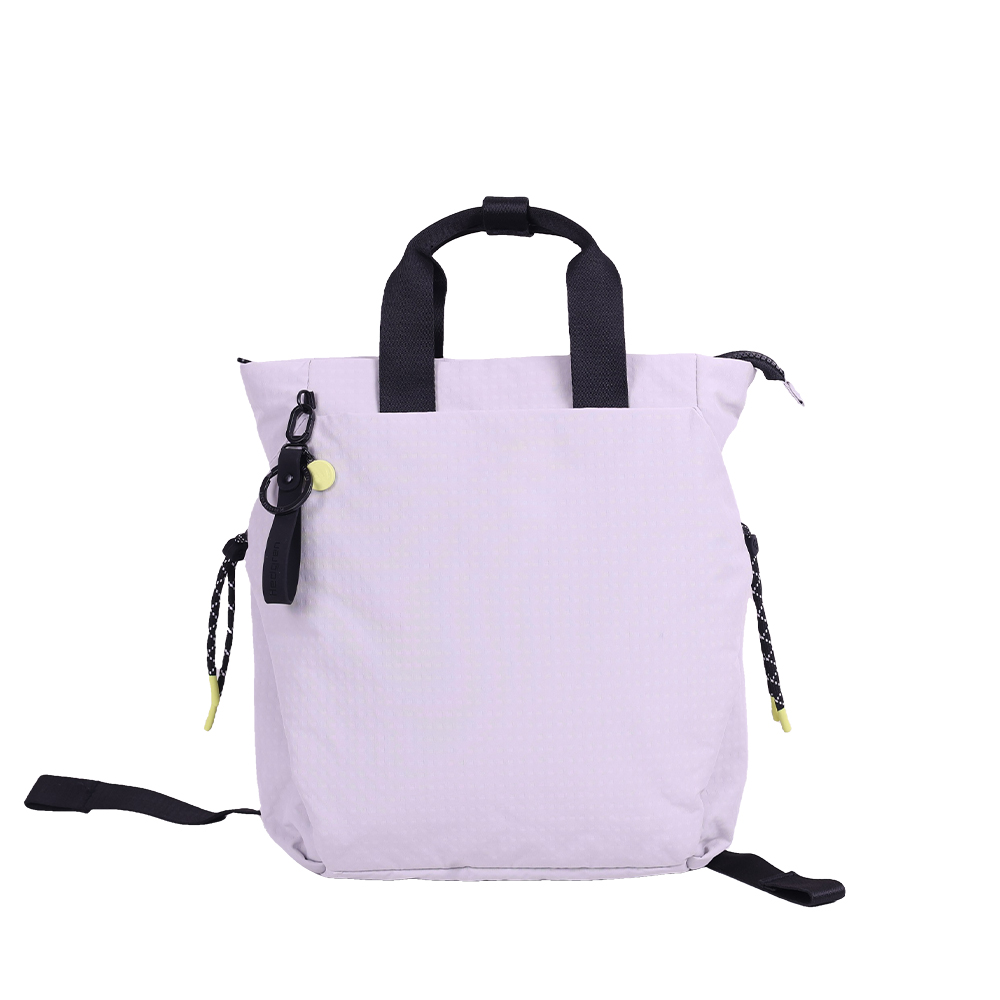
Too many camera bags leave photographers gutted: gear rattles, stitching unravels, water sneaks in. If you’re sourcing from China bag manufacturers, these failures usually come down to predictable misses — wrong foam density, cheap zippers, poorly bonded seams — not mystery issues. When you’re vetting a camera gear bag, focus on the weak links, not vague promises.
Core tests you must run
Start with a short, sharp checklist you can actually use on the floor: material ID (nylon/PU vs ballistic nylon), seam tensile strength, zipper pull and slider endurance, padding compression and recovery, water resistance, and hardware corrosion. Add abrasion resistance for base panels and a drop test for internal padding layout. Each test maps to a real failure mode: busted seams, sagging dividers, damp kit after rain, scratched lenses.
How to test — practical methods and pass/fail marks
Keep testing simple and repeatable. For seams, apply 50–100 N per cm and watch for stitch pull-through. For zips, run 1,000 open/close cycles with sand/dirt exposure; sliders should survive without tooth misalignment. Padding: compress to 50% thickness for 10,000 cycles; recovery should be >85% thickness. Water: 2-hour spray at 10 L/m² to simulate heavy rain; no water inside. Label each test with a clear pass threshold before you accept samples.
Sampling strategy that actually saves cash
Don’t test every unit — test smart. Choose a statistically sensible batch size (for small runs, 5–10% of production; for large runs, use ANSI/ISO sampling tables or a simple AQL 2.5 plan). Always test the first article, mid-run samples, and pre-shipment random picks. If one seam fails across multiple samples, stop the line and fix the process rather than passing subpar stock to customers.
Common mistakes that create returns
Buyers often accept prototypes as production. That’s a trap: prototypes get hand-finishing that mass runs don’t. Another mistake is trusting “waterproof” marketing without testing taped seams and closures. Lastly, ignoring the interior layout can ruin usability — padding density and divider attachment matter far more than fancy exterior pockets.
Real-world experience and why it matters
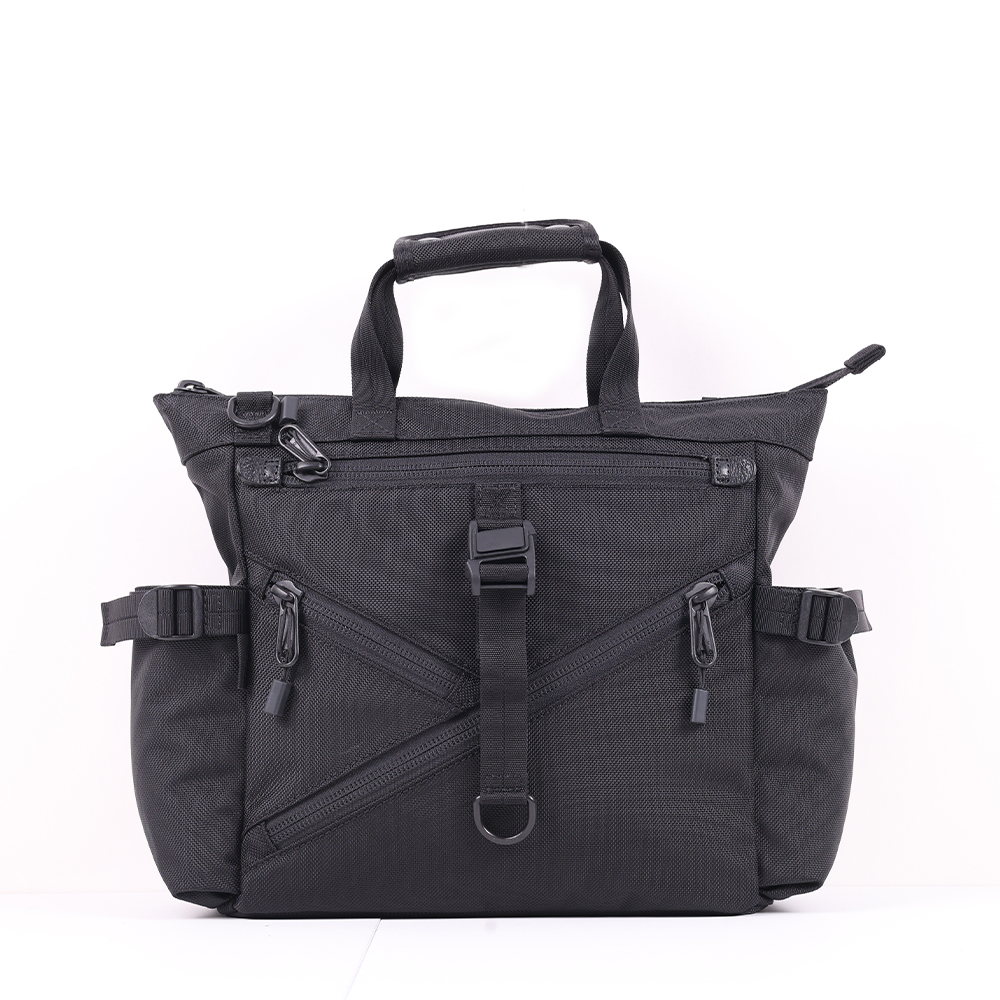
I’ve run QC rounds and compared sample panels, and the same debates show up at major industry events — take Photokina in Cologne, where pros and makers lined up over padding and closure standards. That kind of cross-checking with the industry helps set practical benchmarks, like choosing YKK-branded heavy-duty sliders and specifying foam density in kg/m³ rather than vague words. A custom camera bag I inspected there highlighted how a small change in foam cut pattern cut impact transfer by half, so small specs do matter: custom camera bag.
Alternatives and trade-offs
If weight is king, expect thinner padding and tighter tolerances on divider placement; trade-offs mean more frequent purchases for pros who need maximum protection. If cost is the limiter, accept stronger quality gates for zips and seams but simpler hardware. Decide which failure you tolerate least — water ingress, impact, or abrasion — and allocate tests accordingly.
Final take
Run targeted, measurable tests early, keep sampling sensible, and stop assumptions at the door. If you want pragmatic, factory-ready standards that actually keep lenses safe, look at suppliers who document pass criteria and correctable non-conformances rather than selling vague claims — that’s the sort of practical consistency I’ve seen work best when partnered with makers like ChangRong.