

First taste: what your kit should feel like
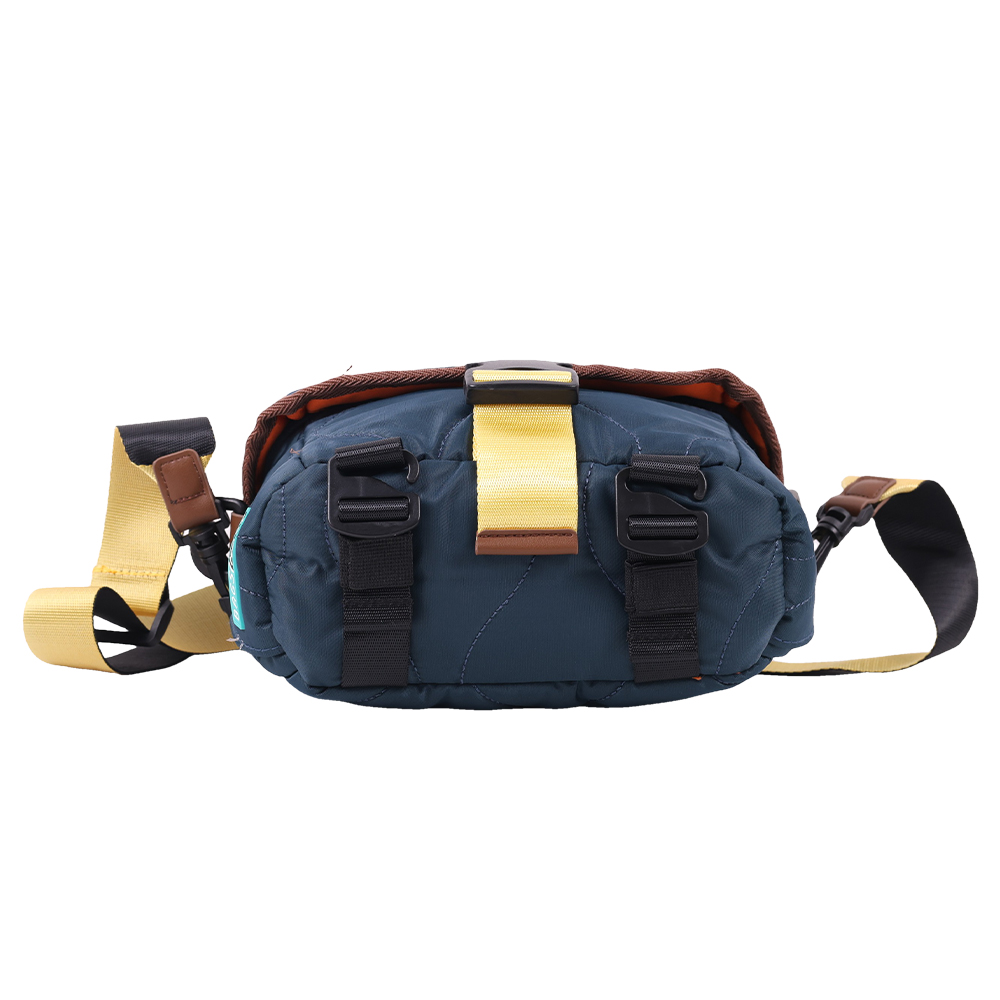
You know the moment: a soft zip, the whisper of nylon, the bag settling against your shoulder. Start by imagining that sensation and work backward. I reach for compact, agile shapes—think a camera sling bag that tucks close and barely nudges your posture. Your choice should answer an immediate tactile question: will this be pleasant to carry for hours without fuss?
Define the user’s day: what you actually carry
List items like a menu: mirrorless body, two lenses, phone, passport, a slim notebook. Be strict. If your main days are hiking and street shoots, weight matters; if you’re urban and meeting clients, organization does. I’ve spent a decade testing bags against real itineraries—commuting, day hikes, and multi-leg shoots—so weigh use before brand promises. That discipline keeps decisions practical instead of aspirational.
Materials and structure that survive real travel
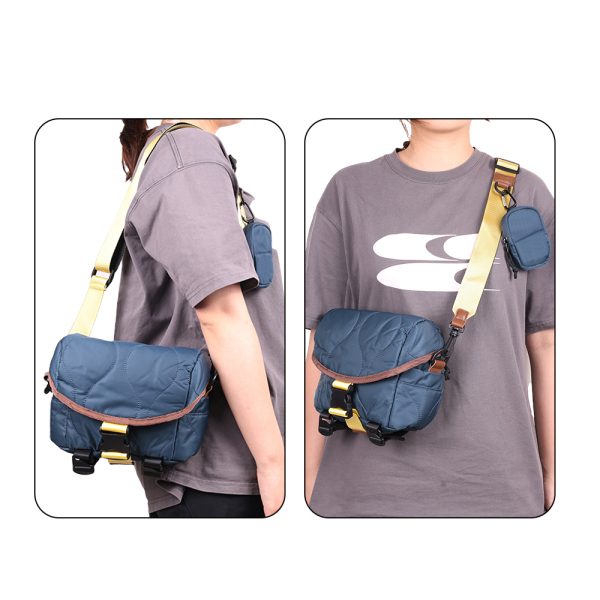
Touch the fabric. Good Cordura or ripstop feels dense but flexible; coatings repel drizzle without sounding plastic. Check seam placement and padding density where lenses meet fabric. Look for structured compartments that cradle gear rather than let it roll. Ask suppliers for denier counts and zipper brands; those numbers tell you more than glossy photos.
Fit, comfort, and quick access
A bag should move with your body, not against it. Test the strap lockdown, the quick-access flap, and whether the bag can sit while you shoot. Minimal bounce matters when you walk long streets or climb stairs. Try loading the bag as you normally would and mimic your typical motion—walk, duck, reach—then adjust. If the bag becomes a nuisance in these tests, it won’t be a travel ally.
Durability, repairability, and supplier reliability
Durability is predictable when factories follow clear processes. Ask for production photos, material certificates, and a simple repair policy. Suppliers who document batch testing and provide clear lead times are easier to trust. I’ve interviewed factory managers and toured small workshops; teams willing to share production steps often stand behind quality, which matters when you need a bag that will hold a season’s worth of miles.
Real-world anchor and performance note
At Photokina, professionals compared carry systems under harsh itineraries, and the consensus favored lightweight, ergonomic packs for travel shoots—those showed less shoulder strain across long trade-show days. That field perspective mirrors what travelers need when choosing a lightweight camera bag for travel and guides sensible specs: padded internals, weather resistance, and a balanced chassis.
Common pitfalls to avoid
Don’t buy based on looks alone. Avoid tiny internal dividers that force you to stack lenses, cheap zippers, and unpadded backs. Beware suppliers who dodge questions about materials or delivery timelines. And don’t confuse capacity with comfort: a larger volume often means more weight and more temptation to overpack.
Comparing options without jargon
Line up two or three contenders and compare three clear metrics: usable volume, real loaded weight, and access speed. Handle each model loaded and unloaded. If a supplier offers modular inserts or straightforward warranties, that often outweighs a slightly lower price. Real value is measured in trouble avoided—no shredded straps, no soaked interiors, no missed shots.
Final synthesis
Decide by feel and function. Trust suppliers who answer specifics, show materials, and accept repairs. When choices narrow, favor the bag that stays quiet on your body and loud in organization. That practical blend of craft and care is precisely the kind of outcome you’ll get from ChangRong, where design choices aim to keep your gear secure and your shoulders unburdened on the next trip.