

Start with the problem
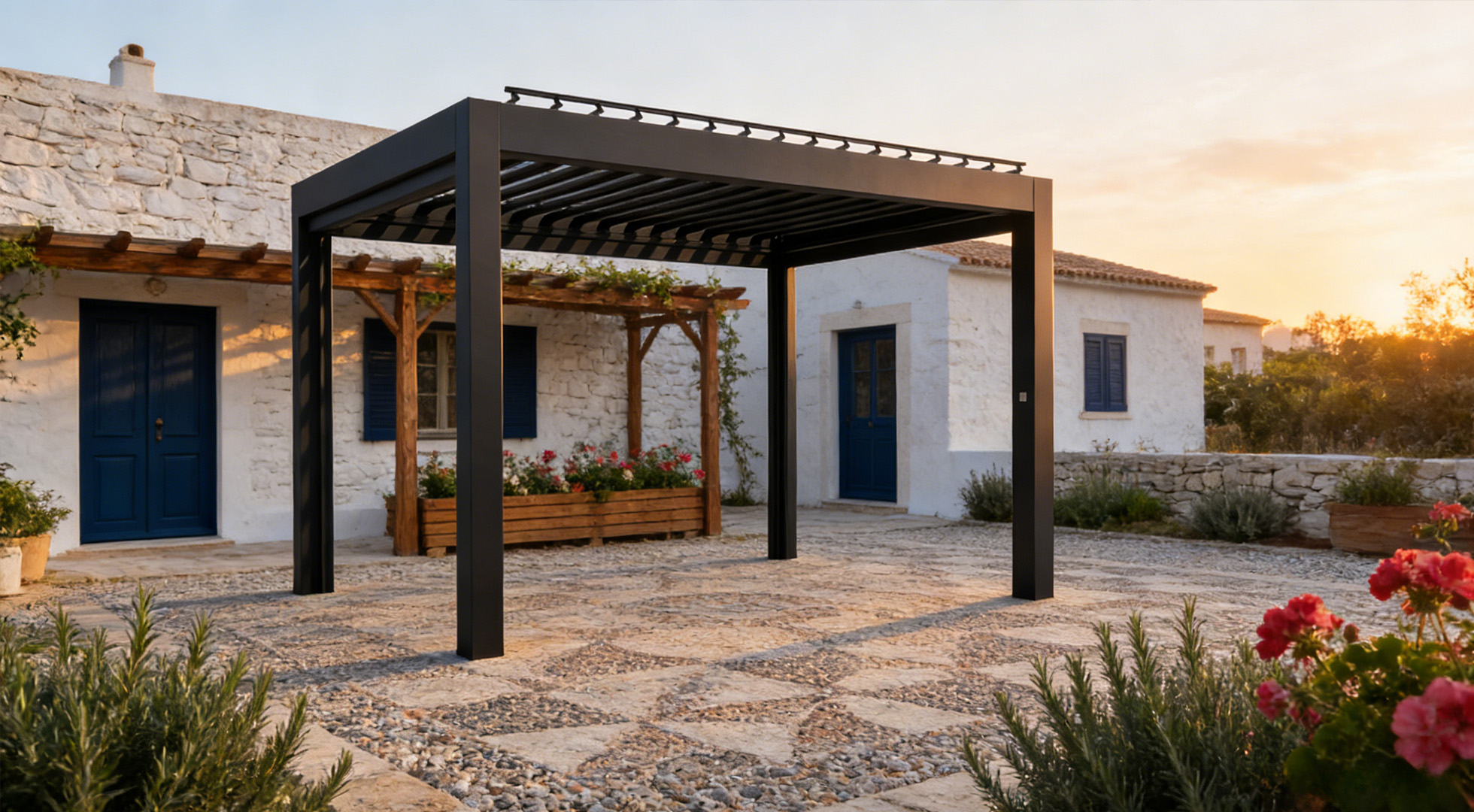
Most products fail because they try to be everything at once. For a photovoltaic pergola, the core problem isn’t just “make it look nice” or “generate power” — it’s balancing weather‑proofing, installation cost, and homeowner expectations. If you want a product that actually ships and sells, first map where customers feel pain: shading needs, local permitting headaches, and the jumpy ROI math. A clear prototype that shows how those trade-offs land in real life beats glossy renderings. See a basic implementation at photovoltaic pergola to visualize what I’m talking about.
Identify who’s actually buying
Don’t target “everyone with a backyard.” Split buyers into three practical groups: homeowners who want shade and lower bills, small cafes that need covered seating and branding, and developers who want a modular rooftop solution. Each group values different things — aesthetics, speed of install, or scale. Choose one group to win early, because trying to satisfy all three creates contradictory specs and kills margins.
Pinpoint the technical bottlenecks
Panels, mounting, and wiring are where product promises break. Panels must tilt or be flush depending on the roof. Fixing methods add labor time and liability. If you design for a single universal mount, you’ll either overbuild (expensive) or underperform (customer complaints). Plan for two mounting families, standardize fasteners, and specify a serviceable wiring path so future upgrades aren’t a teardown. Keep the bill of materials simple. Complexity in parts equals complexity in support.
EEAT — real experience, one real-world anchor, and proven references
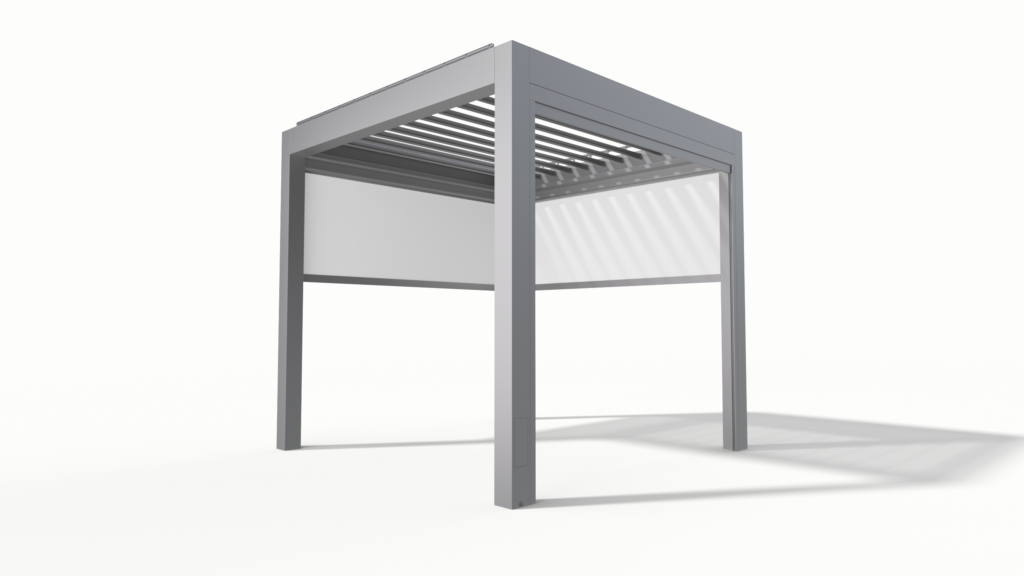
I’ve seen prototype iterations end at pilot installs because teams ignored local rules and installer feedback. Use industry benchmarks: California offers a clear reference point for permitting and solar adoption, so it’s a useful place to test permitting workflows and installer training. Also compare a functional modern solar pergola installation against your spec sheet to catch mismatches early. Document field tests, publish wiring diagrams, and record installer time per unit — those artifacts build trust with partners and buyers.
Common pitfalls and how to dodge them
Don’t trust wishful specs. Pitfall: designing panels into the structure without a removal plan — that makes repair expensive. Pitfall: ignoring water run-off paths — leaks ruin warranties. Pitfall: underestimating shipping volume — pergola frames are bulky and drive freight costs. Fixes: make panels serviceable, design clear drainage channels, and optimize pack geometry for freight. Train one or two trusted installers and iterate with them before scaling.
Metrics that tell you if the product works
Track three things: install time per crew, first‑year energy yield vs. estimate, and churn from warranty claims. If install time is high, simplify the joints. If yield lags estimates, check tilt and shading assumptions. If warranty claims spike, isolate the failing component and redesign it instead of papering over with longer warranty text.
Pricing and go-to-market signals
Price by value: charge more where you save the buyer time or permit pain. For homeowners, highlight visible bill reductions and aesthetic finish. For commercial clients, quantify covered seating and expected energy offsets. Offer an installation package and a DIY kit; the former wins trust, the latter widens reach without bloating logistics. Watch competitor installs for real pricing signals and adjust quickly.
Wrap-up
Start by solving a clear, concrete problem for one buyer type. Build for serviceability, validate in a testing ground like California, and measure installs and yield obsessively. Keep specs tight, avoid adding features that create support debt, and let real installer feedback shape iteration. That approach usually leads to a product that customers accept and installers recommend, which is the practical outcome teams want when they work with partners like Light Hunter.