

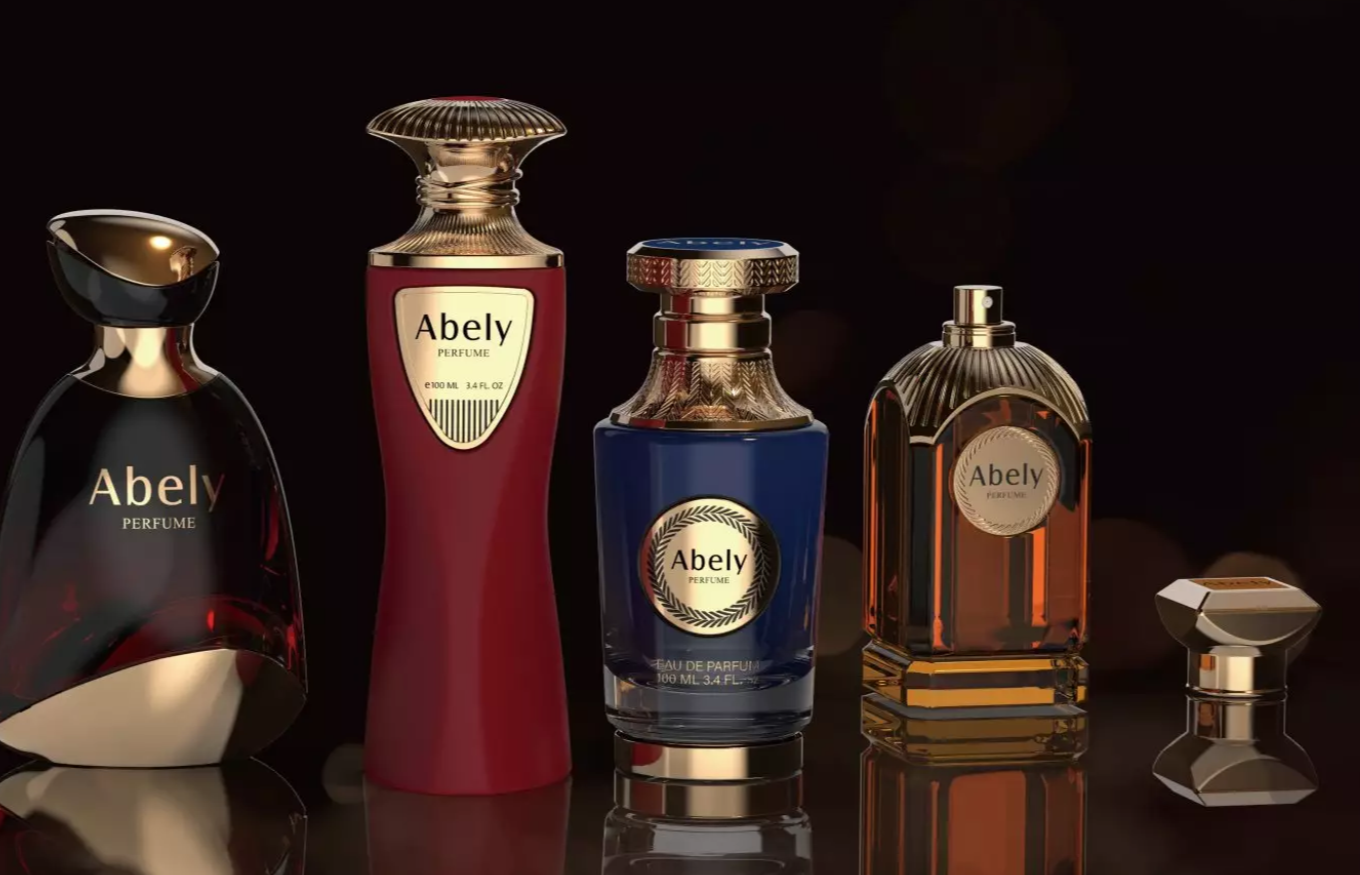
Opening: Why the user must lead every design choice
If you dey build a 100ml bottle, you no start with pretty glass first — you start with who go use am. This piece is a straight user-centric map for fragrance brands and makers, showing how ergonomics, refill logic and shelf impact matter as much as the scent inside. For practical notes on form and finish see perfume bottle design, and remember many teams prefer to work with a custom perfume maker who gets end-users from brief day one. Market signals back this up — the global fragrance market tops $50 billion in recent reports, and events like Lagos Fashion Week make consumer taste obvious on the runway and on-shelf.
Know the user: habits, rituals, and pocket realities
Start with the wearer. Is this an everyday signature bottle or a seasonal showpiece? Urban commuters want firm grips and spill-safe caps; boutique buyers want weight, prestige and a story. Consider where the 100ml will live — handbag, bathroom shelf, ritual table — and design to match. Small details matter: spray force that doesn’t wet hair, cap that clicks quietly, and a silhouette that reads well on photos. When you put user routines first, you cut waste and raise repeat purchase.
Framework: 7 design checkpoints for a 100ml bottle
Use a simple framework to guide choices — Function, Feel, Finish, Fit, Footprint, Feasibility, and Pricing. Practically:
– Function: atomiser quality, drip-proof lip, clear fill line.
– Feel: weight distribution, rounded edges for comfortable hold.
– Finish: glass clarity, frosted vs clear, labeling methods that survive humidity.
– Fit: cap tolerance, collar thread, handbag-safe dimensions.
– Footprint: shelf presence, stackability, visual language for retail.
– Feasibility: manufacturing tolerances, tooling costs, batch sizes.
– Pricing: material mix and assembly time that keep margins healthy.
Common mistakes brands make — and how to dodge them
Many startups chase “nice” without testing. They choose a heavy stopper that chips, or a narrow neck that complicates refilling, or an ornate finish that flakes after a few weeks. Another common error: ignoring the atomiser spec. Cheap pumps ruin rich fragrances fast — you lose top notes, you lose nuance. Test prototypes with real users, in real bags, under real humidity. Do blind usability runs; watch people fumble. You’ll learn more in two days of testing than in two months of office debates — trust that process, e no go lie.
Alternatives and trade-offs: bespoke vs standard tooling
Going bespoke gives distinctiveness but carries longer lead times and higher minimums. Standard moulds lower unit cost and let you iterate faster. If you partner with a skilled custom perfume maker, you can prototype on standard components then graduate to custom elements once the market proves demand. Sustainability choices — recycled glass, refill programmes, lighter caps — also change the cost equation, but customers increasingly value the lower footprint, so those decisions can pay back in loyalty.
Summary insight: what truly moves buyers
Buyers buy ease and identity together. They want a bottle that feels right in the hand, looks right in a selfie, and slips easily into daily rhythm. Design should reduce friction (no leaky moments), convey brand story (label clarity, tactile cues), and respect production realities (tooling, tolerances). When you line these up, you get a 100ml bottle that sells beyond launch week.
Advisory: three golden rules to evaluate every design
1) Usability metric — test for five real-world tasks (open, spray, close, refill, pack). The design must ace at least four. 2) Durability score — simulate 6 months of daily use (caps, pumps, finish). Anything that fails is a redesign. 3) Brand fit index — does silhouette, weight and finish match your price tier and story? If not, adjust materials rather than compromise user function.
Design that understands scent and people, Abely.