

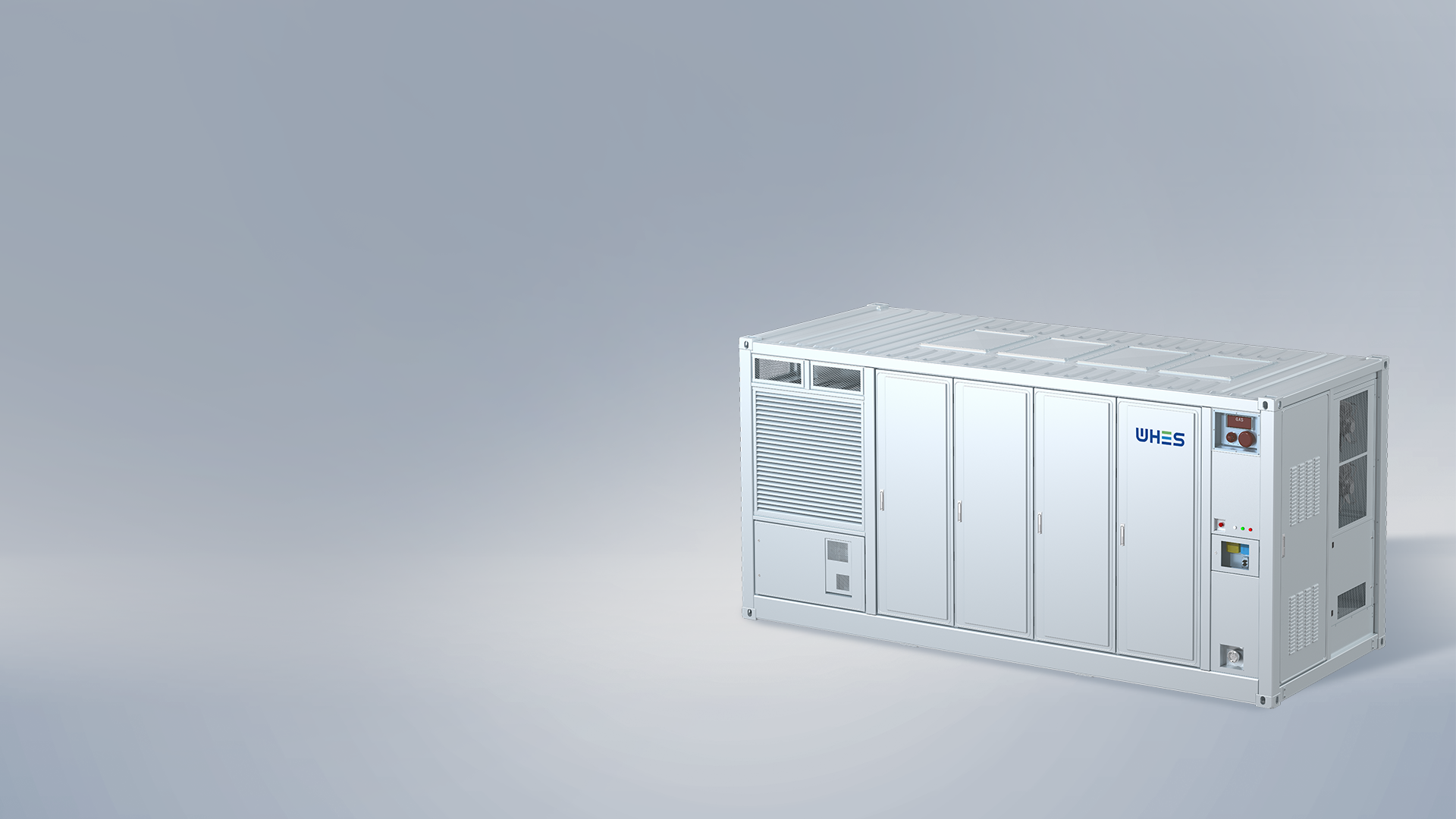
Opening: a practical problem for procurement teams
Many B2B energy buyers face a simple but costly problem: complex tariff structures make it hard to predict savings from battery projects. When time-of-use rates, demand charges, and capacity obligations overlap, a poorly placed battery underperforms and procurement budgets swell. Placing a utility scale battery storage asset in the right location changes the calculus — it unlocks demand-charge reduction, market participation, and local grid services that raw capacity alone cannot deliver. This is not theoretical: after the February 2021 Texas outage, many stakeholders started modeling placement more carefully to avoid similar exposure in future procurement rounds.
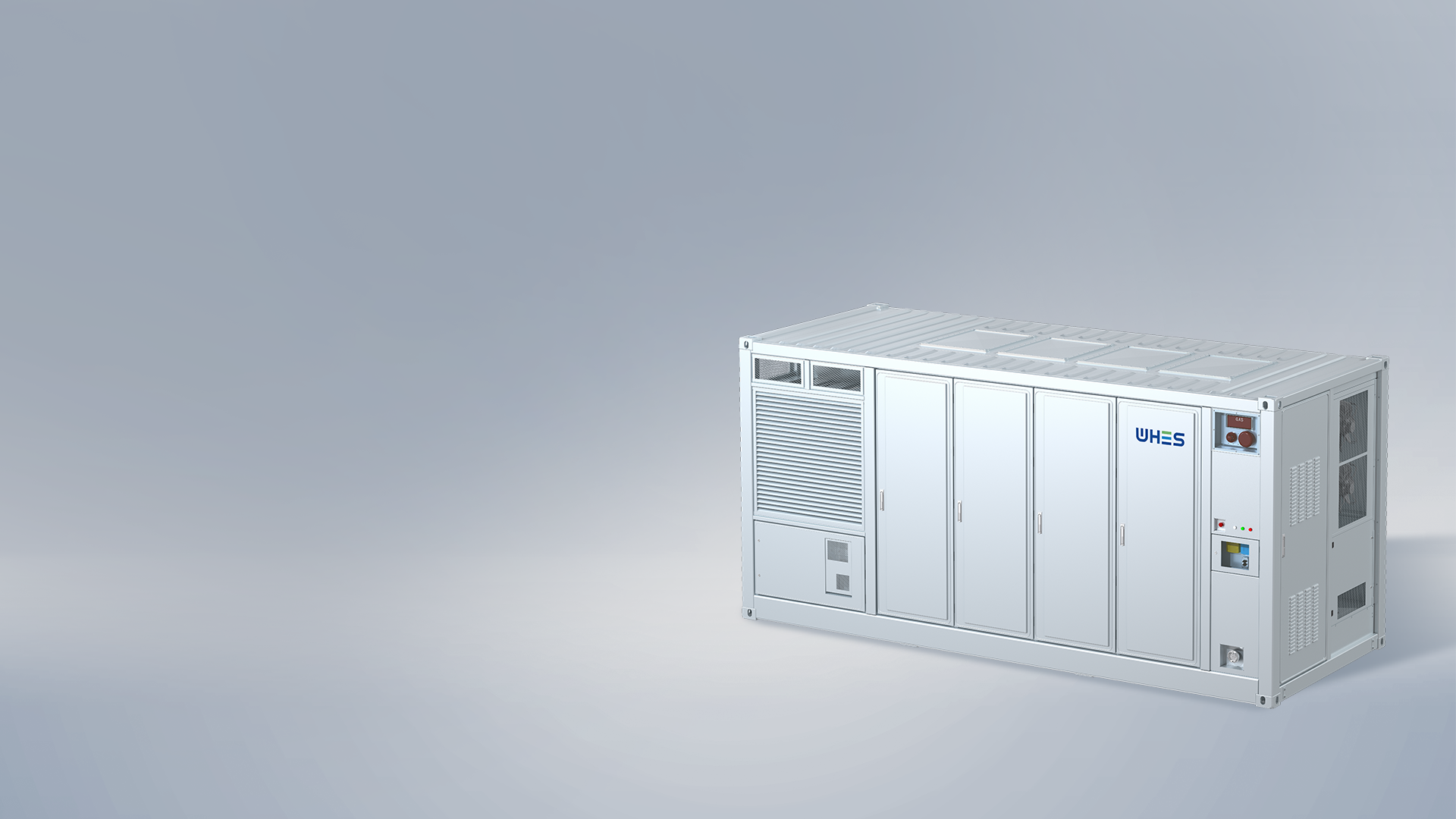
Why tariff structure is the root cause
Tariff design determines which value streams are available. Demand charges reward peak shaving at specific local intervals, while capacity markets or time-of-use pricing reward lowering consumption at system peaks. If your procurement model assumes simple arbitrage but the real savings are in avoided demand charges, the economics fail. Procurement teams must therefore translate tariff line-items into operational strategies — not just capacity figures. That means understanding demand charge windows, peak multipliers, and any locational pricing signals that apply to your facilities.
How asset placement unlocks different value streams
Where you put a battery affects which revenue or savings streams you can access. Front-of-meter, centrally sited systems often participate in wholesale ancillary services and capacity markets. Behind-the-meter placements are adept at peak shaving and reducing on-site demand charges. Hybrid approaches — colocating distributed batteries with a central aggregation strategy — can harvest both local tariff relief and market revenues through virtual aggregation. Interconnection points and the local distribution operator’s rules will shape which of these options are feasible.
Comparing placement strategies: trade-offs at a glance
Here are common placement choices and the practical trade-offs procurement teams must weigh:
- On-site (behind-the-meter): excels at demand charge reduction and reliability for the host customer. Lower market participation but faster permitting in many jurisdictions.
- Front-of-meter centralized system: better for wholesale market revenues and grid services, but higher interconnection complexity and longer lead times.
- Distributed aggregation (virtual power plant): blends both, enabling a portfolio to bid into capacity markets while delivering local tariff relief — though aggregation requires robust controls and coordination.
When discussing central options, a grid scale battery energy storage system can act as the backbone for market participation while a fleet of behind-the-meter units handles site-level peaks.
A simple procurement framework for placement decisions
Use a four-step framework to avoid guesswork:
- Map tariff exposure: identify demand windows, time-of-use periods, and any locational marginal price signals.
- Model operational strategies: simulate peak shaving, arbitrage, and market bids against real load traces and tariff rules.
- Screen sites by interconnection and permitting risk: quantify expected queue times and upgrade costs.
- Draft contracts aligned with operational needs: include performance guarantees, dispatch rights, and acceptance tests tied to tariff outcomes.
This disciplined approach ensures procurement focuses on actionable outcomes — not optimistic assumptions about generic battery benefits.
Common mistakes procurement teams make (and fixes)
Three recurrent missteps are easy to avoid:
- Underestimating interconnection timelines — build conservative schedules and budget for upgrades. Please include contingency milestones in contracts.
- Mismatching battery dispatch strategy to the tariff — test against historical load and tariff windows before final approval.
- Ignoring aggregation complexity — if you plan to stack market revenues with local savings, verify communications, telemetry, and aggregator SLAs early.
A small pilot at one or two sites often reveals where modeling and operations diverge — and it costs far less than a scaled roll-out that misses the mark.
Real-world anchor: lessons from Texas and practical implications
The Texas February 2021 crisis is a clear example: facilities that only planned for energy arbitrage missed the more urgent value of on-site reliability and targeted load reduction during system failure. Since then, many corporate buyers have prioritized resilient placements that reduce demand exposure while enabling market participation when the grid is stable. That shift highlights why procurement should marry tariff analysis with resilience objectives — not treat them separately.
Three golden rules for evaluating placement choices
Please consider these three critical metrics when you compare options:
- Net Present Value under constrained scenarios: run sensitivity cases for tariff volatility and longer interconnection delays.
- Value Stacking Potential: assess how many distinct revenue or savings streams a placement can legally and technically access (demand charge, ancillary services, capacity payments).
- Operational Risk and Control: measure the maturity of the control system, telemetry latency, and aggregator performance guarantees.
Procurement that follows these rules will avoid common surprises and deliver measurable results — faster payback, clearer contracts, and fewer change orders. For many organizations, partnering with experienced providers who can advise on placement and deployment — and who offer tested WHES systems and integration practices — makes the difference between a pilot and a portfolio-ready program.
— Practical, focused, and ready for the next procurement cycle.