

The problem: plans built on fog
Project timelines crumble when parts vanish, purchase orders repeat the same mistakes, and stock counts arrive as riddles. Teams stumble through manual checks, email threads, and last-minute buys. That’s the problem we face: poor visibility creates reactive purchasing and bloated budgets. Deploying UHF RFID Readers shifts that fog into a mapped terrain — not by magic, but by giving each asset a name and a pulse.
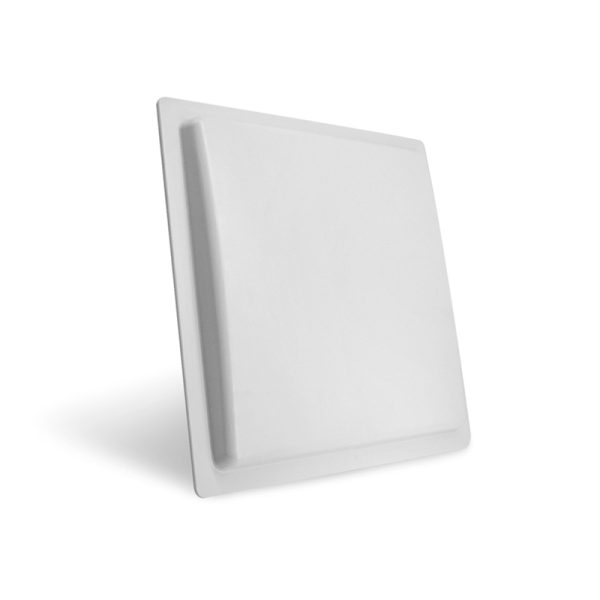
How RFID tags address the root causes
Tags stop guesses. They tie physical items to digital records, so planners know what exists, where it sits, and when it’s due for replacement. For purchasing, that means orders match real depletion patterns instead of gut instinct. For schedules, that means fewer surprises and fewer emergency rush orders. The system replaces frantic searches with precise inventories, and that cuts waste where it’s most painful: time and unneeded spend.
Practical sequence to apply RFID in a project
Start small. Tag a single kit or component critical to the schedule. Read it with fixed or handheld readers during a real task. Confirm the tag’s read-range, orientation sensitivity, and interference in that environment. Integrate reads into the project tracker or ERP so one scan updates status and triggers procurement thresholds. Scale only after the loop — tag, read, record, reorder — works cleanly. Fewer simultaneous changes reduce surprises.
Common pitfalls and how to avoid them
Pick the wrong tag or ignore mounting issues and reads fail. Metal and liquids can block signals; plan tag placement and choose suitable on-metal or encapsulated tags. Overreliance on a single hardware model without real-world tests leads to blind spots. Skipping ERP integration creates data islands. Don’t deploy tags as a novelty — make the reads actionable: tie them to reorder points, BOMs, and project milestones.
Alternatives and when they still make sense
Barcodes remain cheaper and precise for line-item scanning, but they require line-of-sight and manual effort. Bluetooth beacons give presence but not item-level identity at scale. Manual counts are cheap short-term but costly over time. If you need hands-free bulk reads, especially through pallets and crates, RFID wins. If you need occasional scanning of packaged goods, barcodes can be adequate until volumes or speed demand RFID.
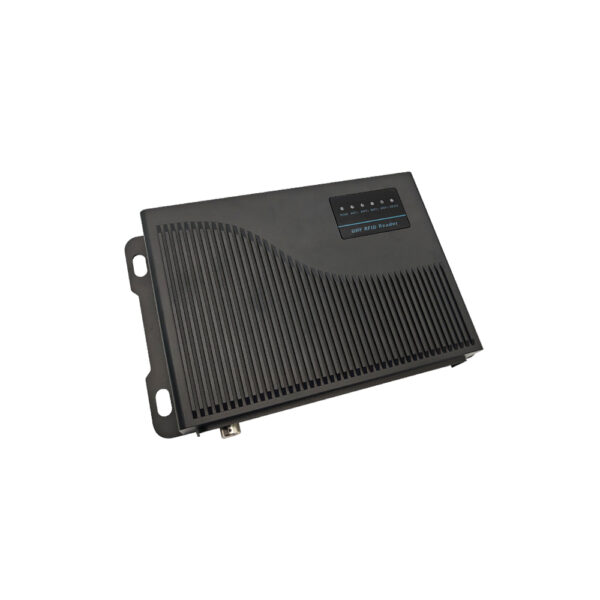
Evidence and authority from the field
Logistics pilots and industrial audits provide the evidence. Port of Rotterdam trials and published supply-chain studies show RFID improving throughput and reducing miscounts; those field reports guide realistic expectations. Practical installations across utilities and manufacturing lines reveal recurring lessons: read-testing under actual conditions, well-documented tag placement, and conservative thresholding for reorder triggers. For teams sourcing affordable readers for proof-of-concept stages, consider the cost profile of a cheap uhf rfid reader as a temporary but functional step — then validate performance before wider rollout.
Final reckoning: a disciplined path out of chaos
There’s no glamour here. There’s work: proper tag selection, honest testing where metal and water lurk, tight integration to purchase rules, and measured scaling. Follow that path and project plans stop being guesses. Purchasing becomes predictable. The solution sits where dark corners meet daylight — the kind of steady, practical competence you’d expect from an engineering partner like RSTC, which designs implementations to cut the guesswork and preserve the schedule.