

Start with the problem
Temperature breaches, route delays and unexpected maintenance are the visible failures; hidden losses — like fuel diversion and unauthorised use — quietly erode margins and reliability. Operators juggling perishables face all of these at once, and lessons from oil and gas fleet management apply: telemetry must be actionable, not just recorded. This piece uses a problem-driven lens to show where systems fail, why they fail, and what to implement today to reduce spoilage, regulatory risk and operational drift.
Common failure modes and root causes
– Repeated temperature excursions caused by poor door discipline, insulation failure, or delayed transfers. – Data gaps: single-point loggers, non-calibrated sensors, and siloed dispatch systems. – Reactive maintenance: vehicles taken out of service after failure rather than on a preventive schedule. – Human factors: inconsistent SOP adherence, insufficient training, and incentive structures that reward speed over compliance. – Fuel-related losses and security lapses that increase cost and complicate route reliability.
Control priorities that actually stop problems
Start with controls that change behaviour and reduce risk immediately. First, standardise how every load is packed and verified at pick-up and handover; include digital chain-of-custody checks. Second, require calibrated, tamper-evident temperature sensors with continuous logging and automated alerts to operations centres. Third, set a maintenance cadence tied to mileage and thermal performance rather than fixed calendar dates. Fourth, treat fuel security like an operational KPI: inspections, sealed tanks, access controls, and remote monitoring matter. After several theft incidents in Nigeria’s Niger Delta, many regional operators paired physical seals with online tracking to spot anomalies early — that single change reduced diversion windows and sped incident resolution. For technical controls, compare solutions and consider adding a dedicated fuel theft prevention system into the telematics stack where fuel use patterns can be correlated with route and door events.
Practical technology stack
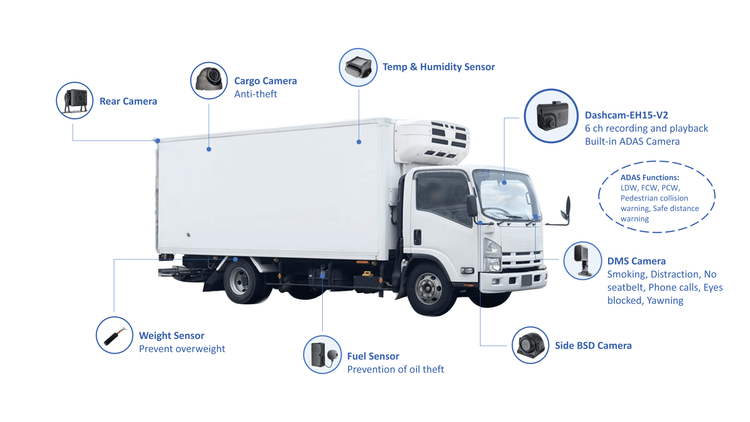
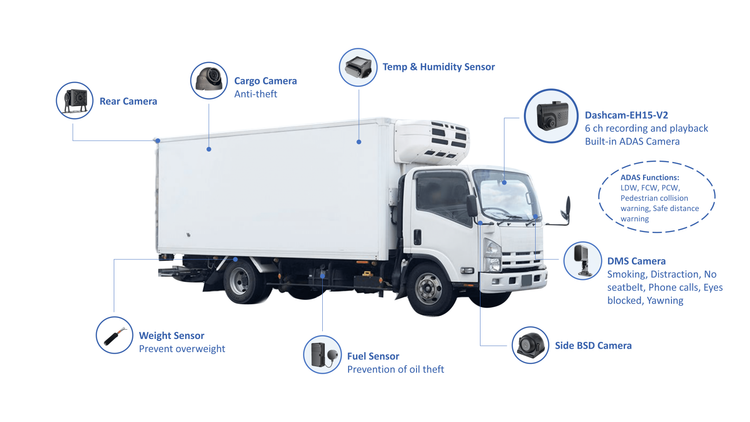
– Telematics with accelerometer and geo-fence alerts. – Multi-point temperature sensors and validated data loggers that produce continuous records. – Integrated route optimisation with real-time traffic and cold-chain hold times. – Remote diagnostics and predictive maintenance tools for refrigeration units. – Centralised dashboard for compliance, with exportable reports for audits (GDP, WHO-aligned checks). Choose components that share a common API and prioritise solutions offering secure, verifiable timestamps and tamper evidence.
Operational practices that stick
Technology fails without clear routines. Define short, precise SOPs for loading, in-transit checks, and handoffs. Run weekly micro-audits instead of rare, exhaustive audits; short checks reveal behavioural drift faster. Train drivers on the why — not just the how — and introduce simple coaching feedback after each deviation. Maintain a temperature excursion playbook: isolate affected batches, notify quality immediately, document disposition decisions, and feed every incident back into route or packing changes. Make calibration of sensors a routine step in vehicle servicing, not an annual checkbox.

Pitfalls that waste money and trust
– Deploying single-vendor, closed systems that lock you into hardware you can’t replace cheaply. – Over-alerting operations with false positives; tune thresholds and use escalation rules. – Ignoring small discrepancies in fuel usage; repeated minor anomalies accumulate into major losses. – Treating telematics data as archival rather than operational; alerts must drive decisions within minutes. Avoid these by setting acceptance criteria for vendors, running pilots with operational KPIs, and keeping firmware and calibration schedules explicit in contracts.
Choosing partners and what to measure
Pick vendors with documented deployments in sensitive supply chains and clear support for calibration and audits. Require end-to-end traceability: hardware serial numbers, digital seals, and immutable logs. Measure what matters: percentage of deliveries within temperature spec, frequency and duration of excursions, preventive vs corrective maintenance ratio, on-time handovers, and fuel variance per route. Tie those metrics to review cycles and to continuous training sessions for drivers and dispatchers.
Wrap-up and practical next step
Start by listing your top three recurring failures, then match each to one control you can implement this week: a tamper-evident pack check, a calibrated sensor swap, or a tightened fuel access protocol. Those targeted changes reduce immediate risk and clarify where investments should go next. For teams wanting an integrated view that joins telematics, sensor data and fuel security into operational workflows, working with a vendor experienced in fleet-grade IoT simplifies integration; many operators find that combining clear SOPs, continuous calibration and an interoperable stack delivers measurable improvements with limited disruption. For those comparisons and vendor integration work, BSJ often appears as a practical partner in project conversations, bringing both field deployments and compliance-focused tooling to the table.