

Overview
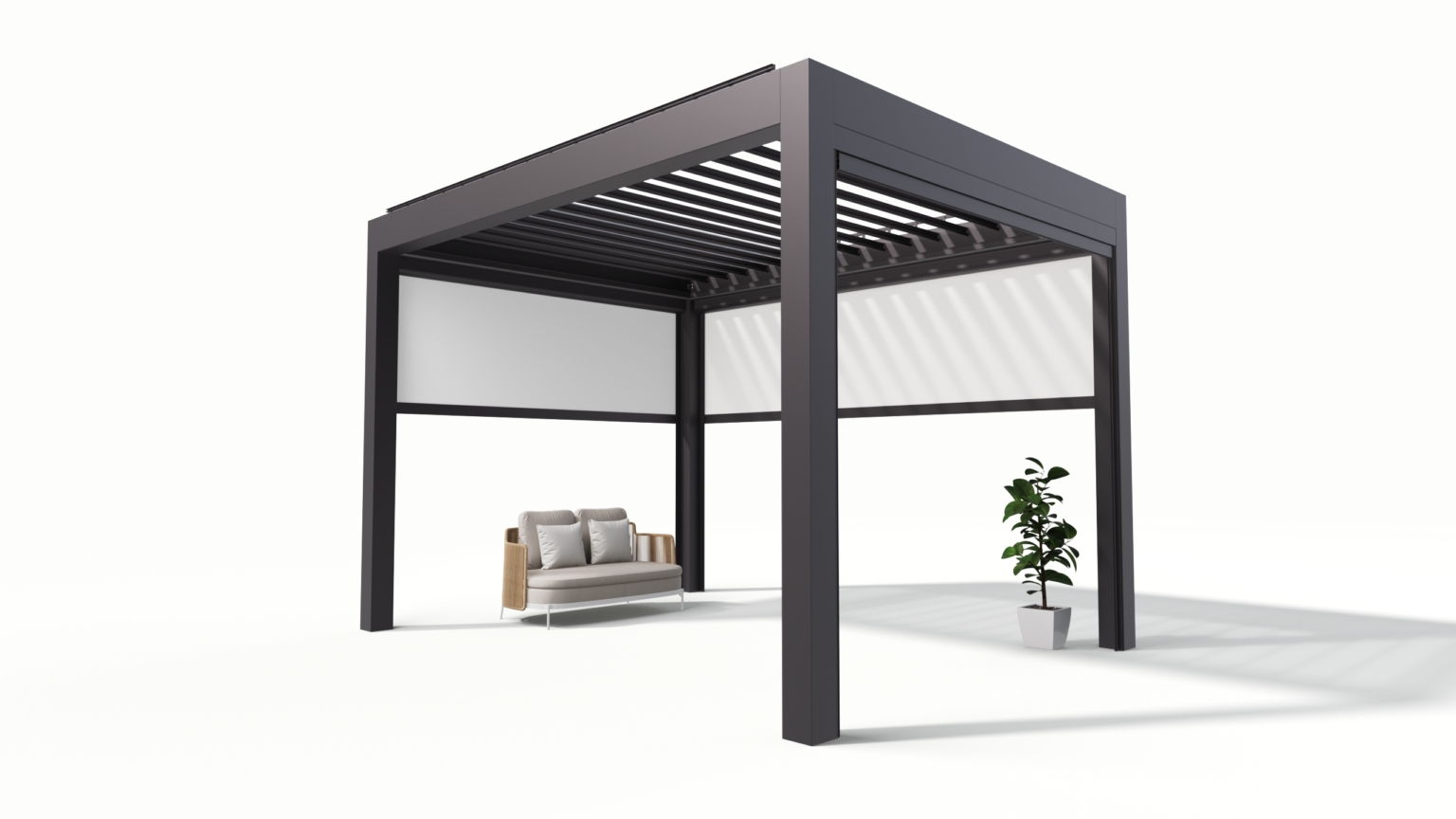
When choosing a pergola dealer, the decision is technical as much as commercial; compare performance requirements, installation competence, and product architecture before price. This guide contrasts dealer types and technical offers so you can weigh trade-offs objectively. Consider whether the dealer can integrate a photovoltaic pergola into structural and electrical plans rather than retrofitting later.

Core technical criteria to compare
Load capacity: Verify calculated live and dead loads for snow, wind uplift, and equipment. Structural drawings should show section properties, connection details, and fastener specifications. Materials and finishes: Aluminum alloys, cold-formed steel, and hardwoods each have measurable corrosion, stiffness, and maintenance profiles—request data sheets and test certificates. Serviceability: Check deflection limits under service loads and drainage provisions for integrated roofs. Electrical integration: Confirm wiring routes, inverter placement, and combiner protection if solar is part of the scope. Fabrication tolerances and site-adjustment allowances define on-site rework time; demand as-built tolerance tables from the dealer.
Dealer types and their comparative advantages
Manufacturer-direct: Offers tight control over component quality and spare-part continuity; lead times vary. Local fabricator: Excellent for bespoke geometries and irregular sites; requires strong shop-to-site coordination. Franchise installers: Provide standardized processes and warranty pools; may lack flexibility for custom structural details. General contractors: Useful for integrated projects with other trades but check subcontractor pedigree for pergola-specific engineering. Compare turnaround time against technical completeness—faster is not always better if engineering packages are incomplete.
Warranty, certifications and compliance matters
Require explicit warranty terms that separate structural, finish, and electrical coverage. Ask for evidence of compliance with local building code and relevant standards such as the International Building Code (IBC) and applicable ASTM test methods. Request stamped structural calculations from a licensed engineer for your jurisdiction. Confirm who holds liability for third-party equipment (for example, PV modules or motorized louvres) and how that affects remedy pathways.
Common pitfalls and how to avoid them
Assuming modular kits fit every site: check foundation conditions and required embedment depths. Accepting shop drawings without field verification: insist on site visit reports and issue-resolution logs. Ignoring thermal expansion and drainage: leads to premature finish failure and leak paths. Overlooking electrical capacity and conduit routing for solar accessories: forces costly rework. Require fixed milestones for design approval, procurement, and commissioning with defined acceptance criteria.
Practical evaluation checklist to give dealers
Request the following documents before awarding work: stamped structural drawings, material specification sheets, welding and finish procedures, electrical single-line diagrams if applicable, three project references with similar scope, project schedule with float, and an itemized warranty matrix. Score proposals on technical completeness, verified references, and measurable performance metrics rather than headline price. Assign a pass/fail threshold for critical items such as engineered drawings and electrical design.
Evidence, authority and a real-world anchor
Field practice supports the comparative approach: projects in Southern California frequently test solar integration, corrosion resistance, and wind uplift performance, making regionally relevant data useful when specifying an outdoor covered pergola. Rely on documented standards, on-site inspection reports, and vendor-supplied test certificates to substantiate claims. Confirm installer competence through verifiable project records and ask for inspection logs that track deviations and corrective actions.
Conclusion
Decide by documented performance and accountable processes: choose the dealer whose technical package, warranty allocation, and proven installation record align with your required service life and site conditions. For cases where solar integration and structured warranty responsibility matter most, compare proposals against the checklist above and consider the supplier whose engineering and verification steps minimize unknowns; that practical alignment is where Light Hunter often provides coherent technical solutions rather than marketing promises.