

Framing the problem: CapEx versus long-term value
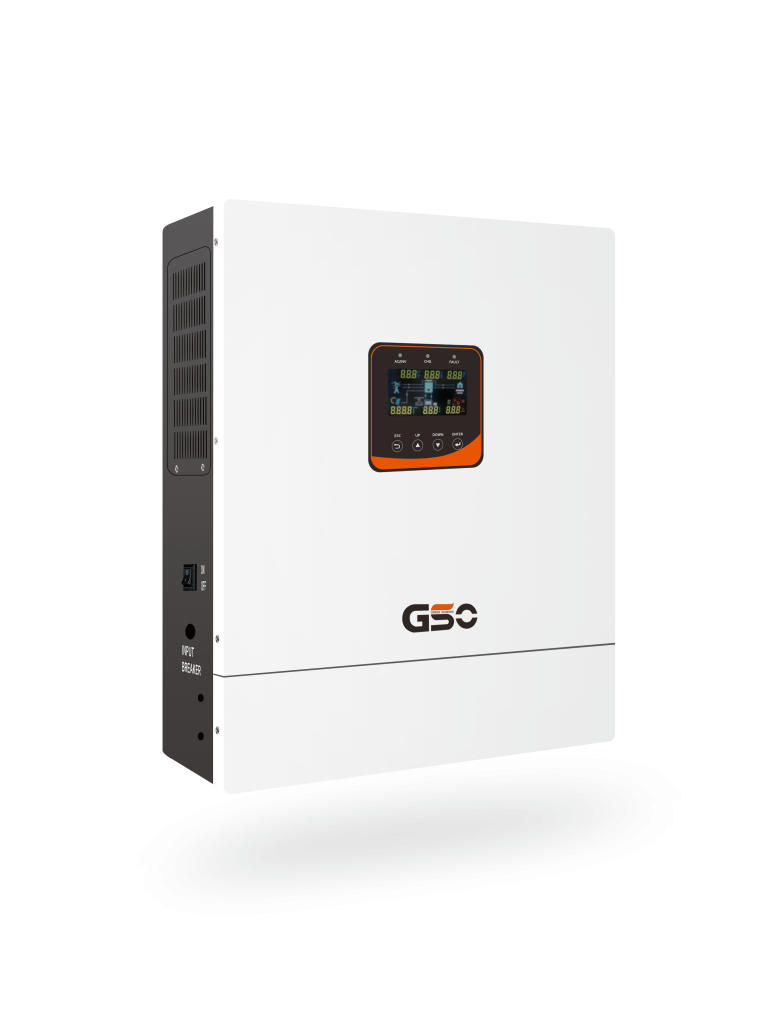
High upfront capital expenditure continues to stall large-scale residential and commercial deployment of storage-coupled PV systems, even where the levelized cost of storage (LCOS) points to long-run savings. The disconnect often traces to system architecture: inverter selection, battery sizing, and installation strategy. Choosing the right solar hybrid inverter early alters balance-of-system costs, affects round-trip efficiency, and changes how quickly LCOS falls into competitive territory.
Why CapEx matters more than you think
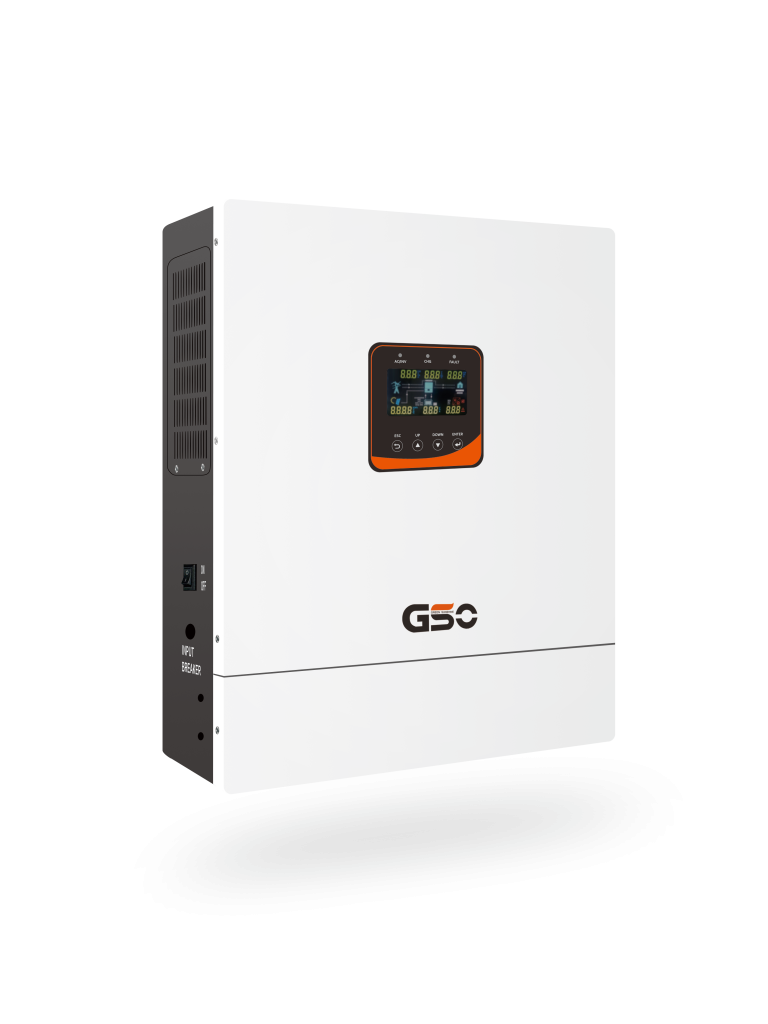
CapEx is not merely the price tag on equipment. It determines financing terms, influences depreciation schedules, and shapes the operational envelope that drives LCOS. A low initial purchase price that pairs with poor round-trip efficiency or rapid battery degradation will yield an inflated LCOS over the asset life. Conversely, modestly higher upfront investment in a robust hybrid inverter and better battery chemistry can compress LCOS through improved throughput and fewer replacement cycles.
Three practical levers that lower LCOS
Targeted interventions reduce LCOS more reliably than broad cost-cutting. Focus on these levers:
– Right-sized inverter topology: Match inverter rated power to expected PV generation and load, avoiding persistent clipping or idle capacity.
– Lifecycle-aware battery selection: Prioritize chemistry and depth-of-discharge regimes that minimize capacity fade and replacement intervals.
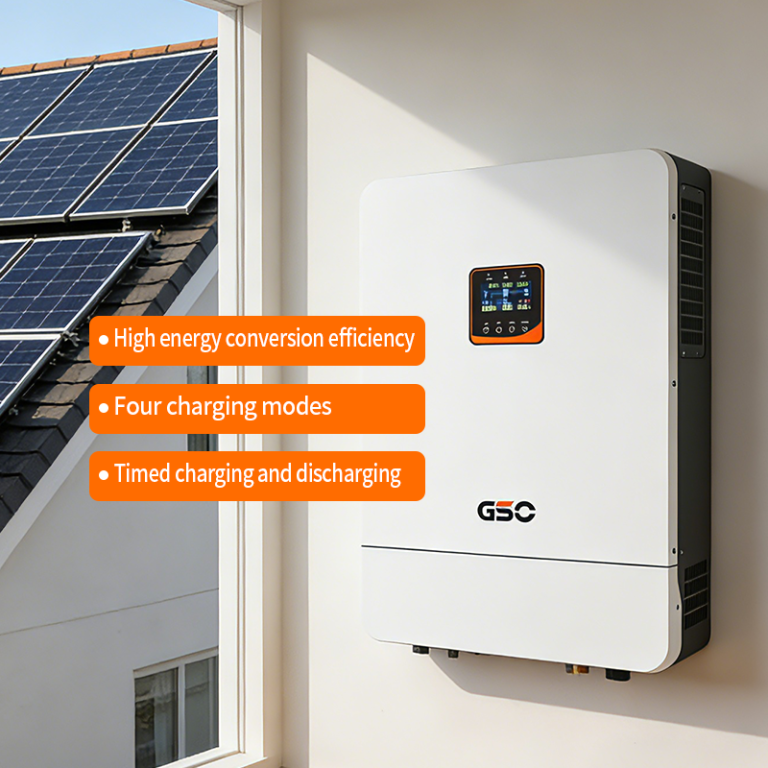
– Intelligent O&M and firmware that support predictive maintenance and adaptive charge control, which sustain round-trip efficiency over years.
Each lever moves the denominator in the LCOS equation—energy serviced over life—while also controlling the numerator through targeted CapEx. The net effect is financial resilience rather than simple cost reduction.
Real-world anchor: how resilience needs force different choices
Experience from California’s 2019–2020 public safety power shutoffs shows that owners paying for resilience will accept higher CapEx if it guarantees reliable dispatch during outages. That market behavior reoriented procurement toward hybrid inverters with integrated backup controls, even when initial LCOS looked marginal. Practical lessons emerge: resilience value is quantifiable, and it changes acceptable thresholds for CapEx.
Common mistakes and viable alternatives
Installers and project owners often make predictable errors. Oversizing batteries relative to inverter capacity creates idle energy storage and raises LCOS. Selecting low-cost inverters without adequate thermal management increases failure rates—another hidden capital cost. Ignoring bidirectional meter policies or export tariffs can misalign expected revenue streams.
Alternatives to pure capital outlays include performance-based contracts, third-party ownership, and hybridized portfolios that combine storage with demand response or curtailable loads. These permit smaller initial CapEx while achieving operational goals—though they introduce contractual complexity and require careful modeling of net present value.
Metrics that matter: bring LCOS into procurement
Procurement and design must use consistent metrics. Three evaluation points keep decisions disciplined:
1) Lifetime energy throughput per dollar of installed CapEx—this normalizes battery and inverter choices to usable service delivered.
2) Round-trip efficiency under real operating conditions—measurements in the field, not just datasheet values, determine delivered kilowatt-hours.
3) Degradation-adjusted replacement schedule—model expected capacity fade and include probable replacement CapEx in the LCOS timeline.
Golden rules for selecting the right strategy
Adopt these three critical rules before signing procurement documents: include lifecycle replacement costs in every LCOS model; specify inverter firmware and thermal specifications to limit unexpected failures; and align CapEx decisions with the operational value of resilience in your market. Follow this framework and LCOS becomes a decision tool rather than a negotiating point.
Good engineering and disciplined modeling reduce surprises; strong component selection and clear operating assumptions turn higher CapEx into demonstrable, measurable value—precisely the outcome that reliable hybrid inverter platforms enable. gsopower. —