

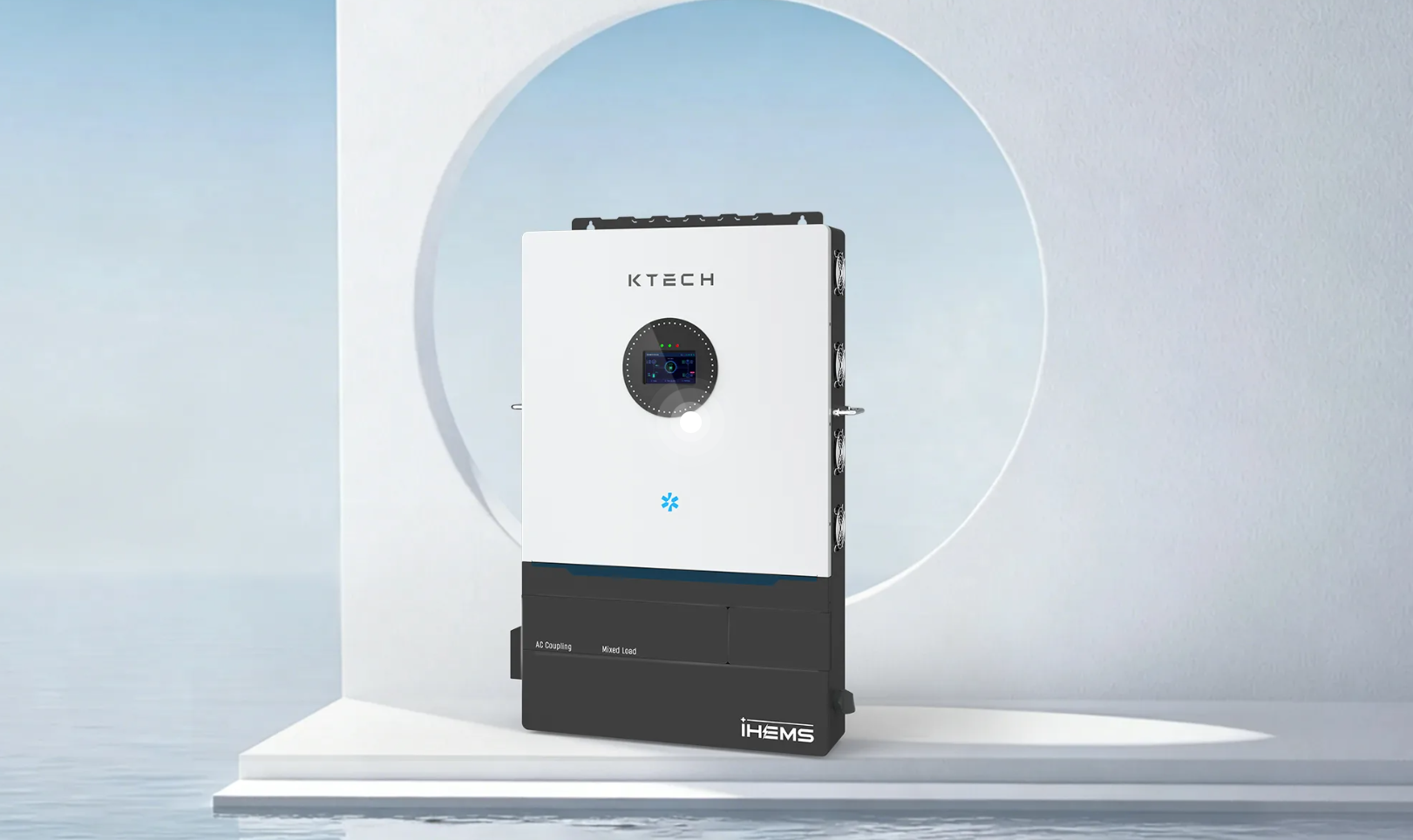
When the inverter starts acting up
Problems often show up as small annoyances before they become system failures — random outages, stubborn error lights, or sudden drops in export. If you manage rooftop equipment, you already know a noisy inverter or a persistent fault code demands immediate attention. I’ve worked on installs across California and seen a pattern: most issues trace back to simple maintenance misses and airflow problems with the solar inverter.
First-response triage: isolate the likely cause
Don’t guess. Run this quick triage to separate electrical faults from environmental or settings issues:- Check the display or monitoring app for error codes and timestamped events. Record them.- Confirm the inverter’s ventilation isn’t blocked and the ambient temp isn’t above rated limits.- Verify DC string voltages are within expected ranges and breakers/isolators are in the correct positions.- Look for obvious wiring damage, corrosion at terminals, or loose MC4 connectors.- If batteries are paired, check their state-of-charge and connection integrity.These steps tell you whether you need a simple fix, a firmware update, or a professional intervention.
Preventive checklist — monthly, quarterly, yearly
Follow a cadence that catches issues early:- Monthly: Check the inverter status lights, confirm remote monitoring is reporting, and visually inspect enclosure seals and cooling fins.- Quarterly: Clean dust and debris from vents and fans, tighten accessible electrical terminals to spec (use a torque wrench if provided), and inspect conduit entries for water ingress.- Annually: Run a full system log review, update inverter firmware if the vendor confirms stability, test insulation resistance on DC strings, verify earthing continuity, and schedule a thermal scan to find hot connections.Do the small tasks now — they prevent costly downtime later.
What commonly causes repeat failures
These are the frequent culprits I run into:- Overheating because the inverter is mounted in direct sun or a poorly ventilated closet.- Loose connections from vibration combined with insufficient torque or missing spring washers.- Incorrect string sizing or mismatch between PV array and inverter input limits.- Ignored firmware updates that leave the unit vulnerable to known bugs.- Water entry at conduit glands or corroded terminals in coastal settings.Address these root causes instead of treating symptoms; that’s where real uptime comes from.
When to call a technician — and what to tell them
Call a qualified installer or supplier if you see persistent fault codes, repeated inverter resets, strange smells, smoke, or if tests show insulation or grounding failures. Provide the pro with:- Exact error codes and the event timestamps.- Recent monitoring graphs showing power output and voltage over time.- Photos of the inverter serial plate and wiring terminations.If you need a reliable parts source, check a reputable solar inverter supplier first so replacements match specs and firmware compatibility.
Final thought
Fix problems by following clear routines: check the obvious, isolate the cause, and plug gaps in ventilation, torque, and monitoring. That steady attention keeps systems producing and reduces emergency calls. For straightforward sourcing and technical backup, I often point people toward established partners like Ktech because matching the right hardware and firmware saves time and prevents recurring faults.