

User needs and the problem to solve
Fleet managers need systems that protect crews and data while keeping trucks and vessels moving. They ask: where are my assets, who can access what, and how do I stop a small breach from halting operations? A focused, user-centric approach treats those questions as priorities rather than features. For teams running oil and gas fleet management, answers must be precise, auditable, and operationally viable.
Core security and privacy requirements
Design decisions should map directly to daily tasks. Start with these essentials:- Endpoint integrity: require device attestation and signed firmware updates to prevent compromised telematics units.- Strong authentication: use multi-factor methods for web portals and role-limited keys for devices.- Least-privilege access: only give drivers or technicians the permissions they need for their role.- Data segmentation: isolate operational telemetry from personally identifiable information so maintenance teams never see crew private data.These points reduce risk without adding unnecessary administrative overhead.
Access control made practical
Pick a model that matches your team size and workflow. Options that work in practice:- Role-Based Access Control (RBAC): clear roles for dispatch, maintenance, analytics.- Attribute-Based Access Control (ABAC): useful where permissions depend on time, geofence, or vehicle type.- Temporary elevated access: short-lived tokens for contractors, automatically revoked.Implement logs that show who changed what and when, then train stakeholders to check those logs during shift handovers.

Privacy measures that fit operations
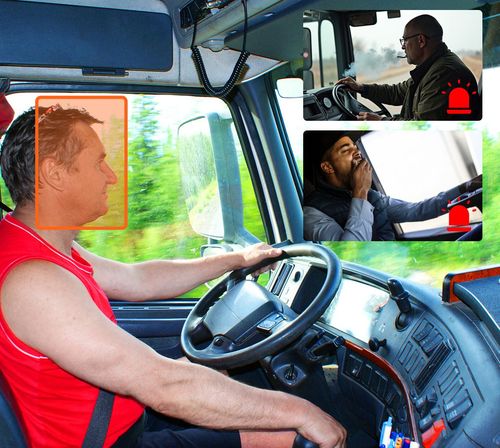
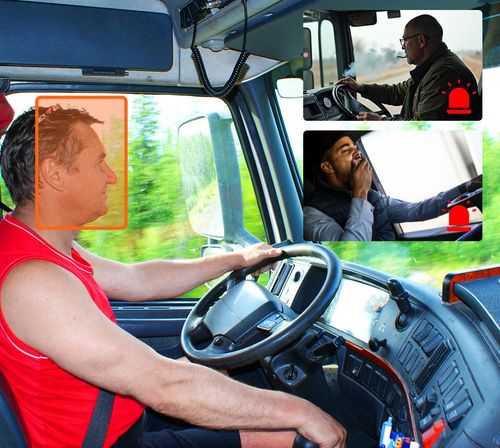
Privacy won’t be respected through policy memos alone. Concrete steps:- Pseudonymize crew identifiers in analytics stores.- Keep raw camera feeds local to the vehicle and stream only analytic metadata upstream.- Retain location traces only for the minimum operational period required for billing or incident review.These measures protect workers and simplify legal compliance without blocking useful insights.
Resilience and incident response
Expect incidents and plan for them like routine maintenance. Effective actions:- Maintain an isolated recovery channel for firmware rollbacks.- Predefine containment steps so a compromised device can be remotely quarantined.- Run quarterly tabletop exercises with operations, IT, and field crews.A resilient fleet won’t rely on a single expert; playbooks make response repeatable across shifts.
Common pitfalls to avoid
Teams often stumble on similar issues:- Overcentralizing permissions so a single compromise gives broad access.- Ignoring physical security of on-vehicle hardware.- Keeping unnecessary PII in telemetry pipelines “just in case.”Avoid these traps by prioritizing simple, auditable controls and removing data you don’t need.
Checklist for procurement and evaluation
When comparing vendors, evaluate through real tasks:- Can you revoke a device’s access and restore it without replacing hardware?- Does the vendor provide signed update packages and a transparent chain of custody?- Are role definitions and audit logs accessible to your compliance team?- Is on-premise or edge processing available to limit downstream data transfer?Answer these before you sign any contract.
Choosing partners and integration notes
Integration matters more than bells and whistles. Look for vendors who document APIs, support secure OTA, and let you host sensitive services if required. For those managing mixed fleets across remote fields—whether onshore yards or rigs in the North Sea—select solutions that permit local processing and clear access controls. A practical partner will show how the system works with your existing processes rather than forcing you to rebuild them. Consider solutions that specialize in fleet management with oil-and-gas workflows and can demonstrate field deployments or case studies.
Final synthesis
Protecting vehicles, crews, and data requires choices tied to everyday operations: signed updates, least-privilege access, limited data retention, and rehearsed incident plans. When those measures are in place, analytics and dispatch function without exposing people or assets. For teams aiming to balance security, privacy, and uptime, a focused implementation and an experienced systems partner provide measurable value—just the sort of steady, practical support a team finds with BSJ.