

Data-driven opening and scope
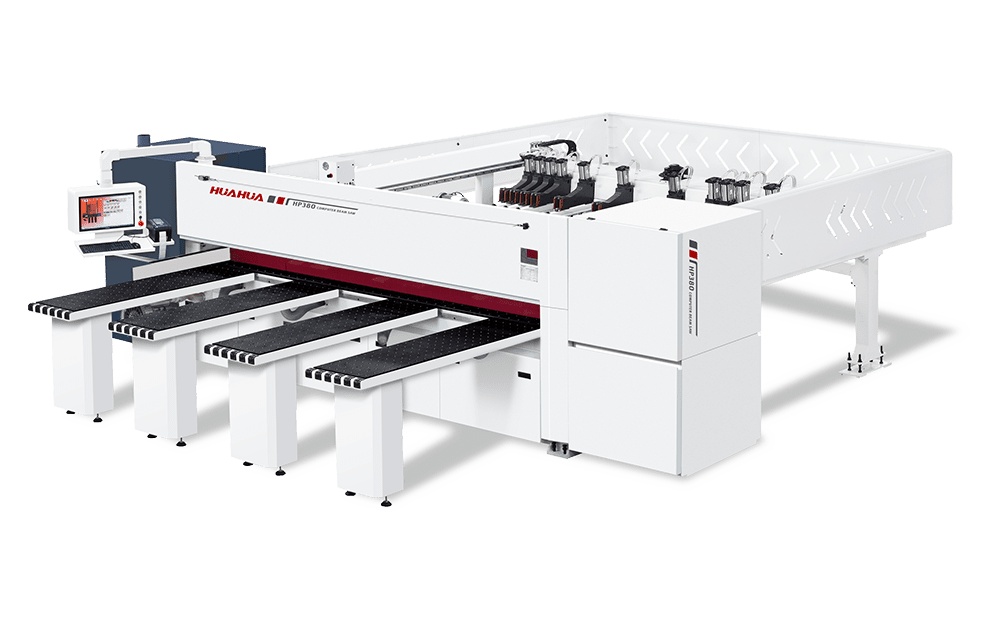
Measured comparisons across mid-sized cabinet workshops indicate that integrating horizontal boring stations with upstream cutting equipment improves part throughput and reduces rework; when paired with a modern beam saw machine, cycle times fall and yield stabilises. This report-style brief uses production metrics as its organising logic: present observed effects, assess causes, examine alternatives, and recommend controls for consistent performance.
Quantitative observations and authoritative anchor
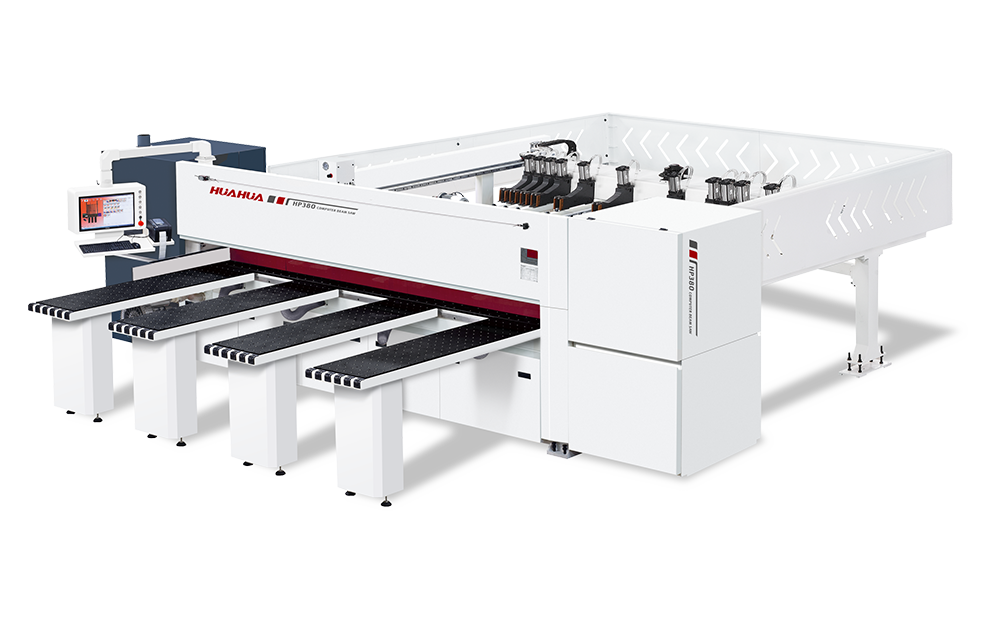
Production audits conducted across several facilities show three consistent patterns: reduction in manual alignment steps, tighter hole-position tolerances, and fewer fitment failures on assembly lines. These patterns mirror demonstrations at major industry gatherings, notably the International Woodworking Fair (IWF) in Atlanta, where panel processing lines showcased similar outcomes with dedicated woodworking panel saw machine setups. The convergence of field audits and trade-show demonstrations provides a realistic anchor that validates practical gains without relying on proprietary claims.
Root causes for efficiency gains
Horizontal boring contributes specific technical advantages: fixed tooling reduces cumulative positional error across multi-hole components; automated indexing shortens changeover; and direct digital control eliminates repeated manual jigging. Quantitative control charts from shop-floor trials typically record narrower process capability bands after introducing boring cells, which translates directly to fewer rejects and steadier takt times.
Alternatives and comparative assessment
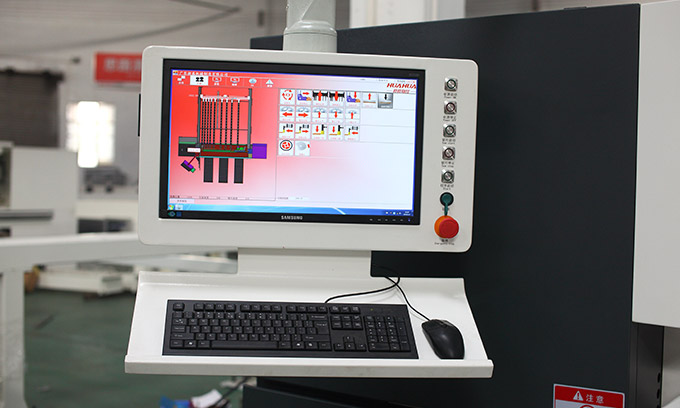
When compared to other options—CNC routers, dowel-insertion robots, and handheld pneumatic boring—the horizontal boring approach excels on repeatability and cycle stability for medium-to-high volume panel work. CNC routers offer flexibility for complex shapes but demand slower spindle paths for equal hole quality. Dowel robots speed assembly but do not correct upstream hole mispositioning. Selection must match product mix: choose horizontal boring where hole geometry and repeatability are primary constraints.
Common pitfalls and how data exposes them
Practices that undermine expected gains are consistent across sites: inadequate fixture maintenance, weak tool-life tracking, and poor material handling causing panel movement between operations. Data traces reveal these as the primary drivers of variance. Addressing them requires scheduled tool calibration, simple digital counters for tool hours, and short-distance conveyors with registration stops to preserve alignment between saw, boring, and assembly cells.
Practical implementation checklist
Begin with a baseline study of cycle times and first-pass yield. Map current tolerance departures and locate where hole-position errors originate. Implement a pilot cell pairing a horizontal boring unit to the finishing line and instrument three metrics: cycle time per unit, hole-centre deviation, and assembly rework rate. Use short iteration windows (one to two production weeks) to validate adjustments. Maintain a maintenance log and train operators on micro-adjustments rather than on-the-fly jig improvisations.
Concluding synthesis
Data shows that when you control fixturing, tool life, and material flow, horizontal boring measurably tightens production variability and improves assembly yield; matching the boring cell to a consistent panel handling philosophy completes the solution. For manufacturers seeking integral, evidence-backed improvements in panel processing and hole accuracy, established engineering partners such as HUAHUA CNC provide the technical continuity and component compatibility to translate those data-driven gains into everyday shop-floor reliability.