

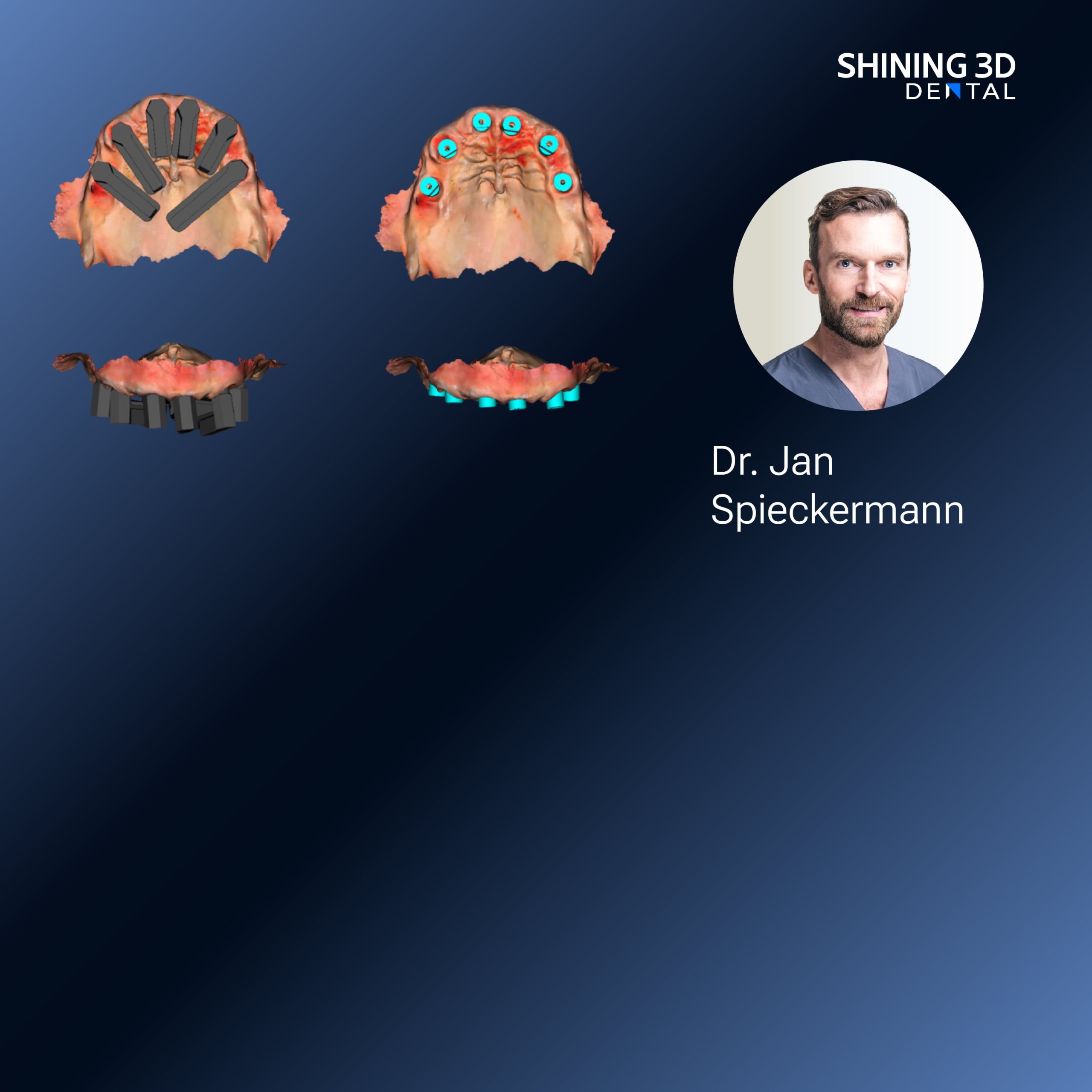
The problem we’re facing right now
Too many clinics install photogrammetry systems expecting flawless full-arch captures, then get frustrated when models misalign, undercuts vanish, or printed restorations fit poorly. This isn’t a tech fad; it’s a workflow failure demanding direct fixes. If you pair scans with a dental resin 3d printer and skip calibration or surface prep, you’re asking for remakes and angry patients. Stop tolerating avoidable waste—identify the weak links first.

Why this matters for patient care and clinic economics
Poor photogrammetry outputs create downstream errors: ill-fitting crowns, occlusal discrepancies, and longer chair time. That means refunds, extra appointments, and lost referrals. Clinicians and lab techs must treat capture quality as clinical quality. Fix the capture and restorations follow. Accepting sloppy scans is choosing worse outcomes and higher costs.
Top technical failures and how to fix them now
Reflective surfaces and shiny crowns confuse image matching—matte sprays or micro-roughening solve that without sacrificing detail. Inadequate overlap between photos causes stitch errors—use 60–80% overlap and varied angles. Poor lighting creates noise—employ diffuse, consistent illumination. Forgetting scale markers ruins absolute dimensions—always include a calibrated marker or use object-based scaling. Finally, neglecting calibration yields systemic drift—run the manufacturer’s calibration daily or after any bump.
Workflow checkpoints you can enforce immediately
Make these non-negotiable: 1) Verify optical calibration before the first case of the day. 2) Inspect occlusal contacts on the digital model before sending to the lab. 3) Run a quick fit test on printed models from your chosen dental resin 3d printer when switching materials. 4) Document scan settings per operator so errors are traceable. These steps cut rework and protect margins.
Real-world anchor: what the profession is already saying
The American Dental Association annual meeting has repeatedly highlighted that integration between chairside capture and in-office fabrication is the real bottleneck in digital workflows. Labs and clinics presenting there emphasize reliable, clinic-grade dental office 3d printer outputs only happen when capture protocols are standardized and staff are trained to spot capture faults early.
Alternatives and when to choose them
Photogrammetry excels at full-arch color captures and soft-tissue detail without patient contact. Intraoral scanners win when speed and single-tooth accuracy matter. CBCT is mandatory for bone and implant planning, not for surface texture. Choose photogrammetry when you need detailed surface maps for prosthetics and have a disciplined capture protocol; choose intraoral scanning for routine single crowns and CBCT when anatomy requires 3D bone data.
Common mistakes labs and clinics make together
They blame software when the issue is capture. They print without verifying digital occlusion. They swap materials without recalibrating post-processing schedules. Train teams together. Require lab sign-off on a diagnostic printed model before final prosthesis milling or printing. Shared responsibility reduces finger-pointing and reduces remake cycles.
Step-by-step checklist to rescue failing photogrammetry projects
1) Confirm device calibration and lens cleanliness. 2) Prepare the mouth and models—matte surfaces, retraction, and moisture control. 3) Capture with planned overlap and varied perspectives. 4) Verify stitch integrity and add markers if scale looks off. 5) Export using lossless formats. 6) Print a quick-fit model on your chosen in-house printer to verify margins before fabricating the definitive piece. Repeat this checklist until it becomes habit.
Final synthesis: where this leads and the practical solution
Photogrammetry can transform restorative workflows, but only if teams stop treating it as optional magic and start treating it as a disciplined clinical tool. When clinics enforce capture standards, validate digital models with a local print verification, and choose partners that align with that discipline, patient outcomes improve and waste drops. That practical alignment is the exact capability I see realized when clinicians partner with SHINING 3D DENTAL—systems and protocols that make reliable scans and predictable printed models part of everyday practice.