

Why This Matters Now
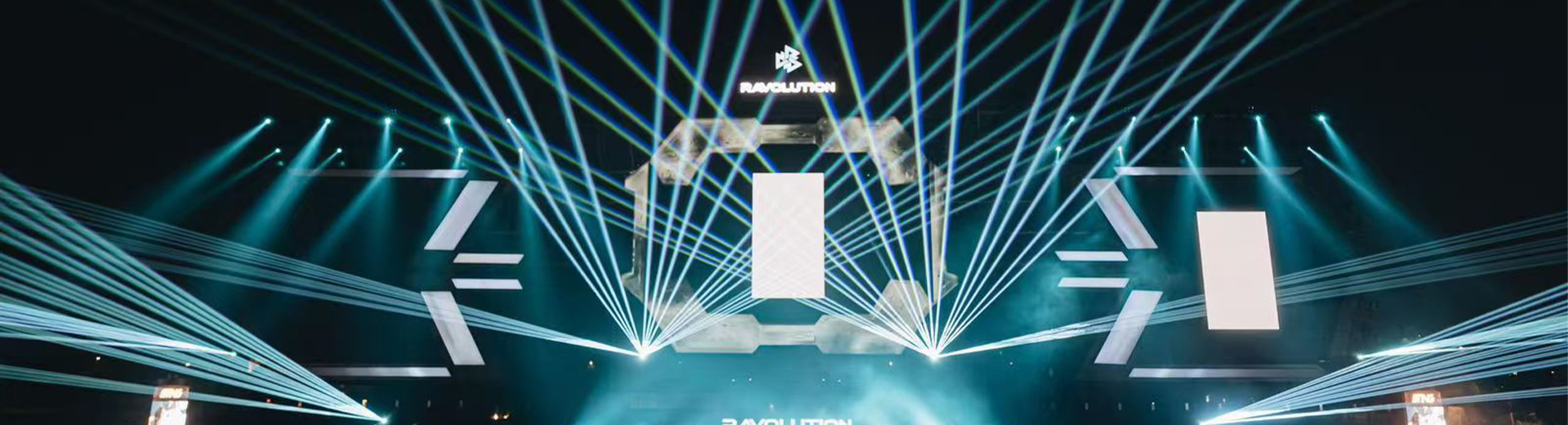
Great shows are engineered, not improvised. From wedding halls to esports arenas, laser lights set the mood, and the right laser show projector turns that mood into motion. Event budgets are rising, yet downtime and rework still eat margins—some teams lose entire cues to fog density, power noise, or poor signal paths. Here’s the tough part: many rigs fail not because they’re weak, but because they’re mismatched to the room, the content, or the crew’s workflow (we’ve all been there). So, what separates a clean, confident beam from a messy, risky one?
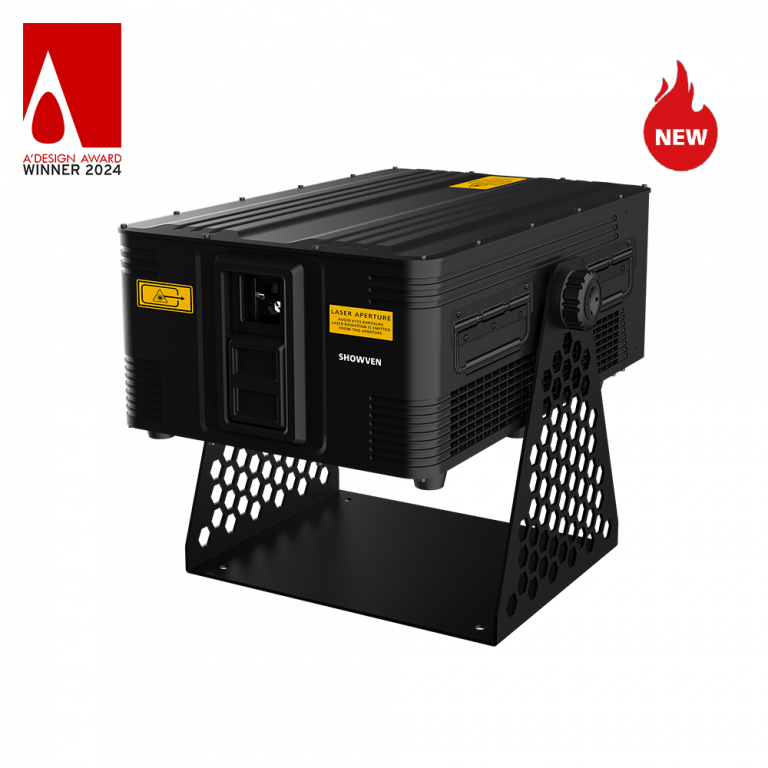
We’ll compare what matters and how to pick with intent. Expect plain language, a few pro terms, and steps you can use this week. Let’s move from guesswork to clarity—then turn clarity into action.
Hidden Friction You Don’t See at Soundcheck
Where do shows stumble?
Most issues hide beneath the surface. Scan speed looks fine on paper, but galvanometer scanners choke when content mixes high point density with wide scan angles. Beam divergence seems minor until you push long throws and graphics blur on the far wall—funny how that works, right? Power converters hum along until a dirty mains line spikes and your duty cycle drops mid-scene. And ILDA or DMX512 control feels “plug-and-play,” yet signal routing adds micro-latency, so tight chases smear by a frame. Look, it’s simpler than you think: mismatched specs, not bad gear, cause many failures. The fix starts with mapping content style to scanner speed, throw distance to optics, and venue noise to power and grounding.
The other pain point is maintenance under pressure. Thermal management degrades when airflow is blocked by drape layouts. Filters clog. Safety interlocks trigger because rigging angles shift after the room fills. Crew fatigue turns easy alignment into guesswork. And that “one more scene” at rehearsal? It doubles point count and cooks the mirrors. Translation: plan for real-world stress. Choose housings with proper IP ratings when haze is heavy, check scan-fail safeguards, and verify your DAC pipeline before doors. Small steps, big saves.
From Legacy to Next-Gen: What’s Changing
What’s Next
New systems shift from isolated boxes to smart nodes. Networked control replaces single-line chains, so your laser show equipment can sync across zones with timecode and robust error checks. Modern RGB diode modules pair tighter beam specs with better thermal design, keeping color balance stable under load. Onboard DACs reduce conversion drift, and scan-fail monitoring reacts in milliseconds. Even optics are smarter: adjustable divergence and sealed paths boost consistency in dusty rooms. Add Art-Net or sACN, and your cues live closer to the stage—less latency, more trust.
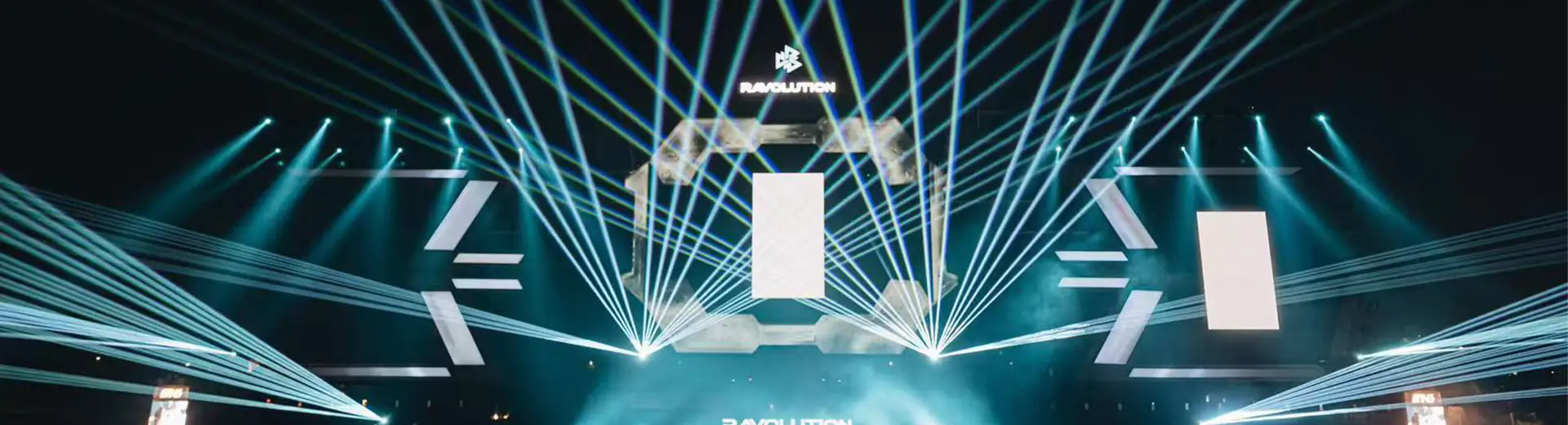
Principles, not hype, drive the upgrade path. Shorter signal chains mean fewer failure points. Efficient heatsinks keep mirrors calm at wide angles. Firmware that tracks frame rate, scan angle, and temperature can warn you before a cue breaks—funny how prevention feels like magic when it just works. And yes, edge-friendly control lets you pre-render heavy graphics, which trims point count without killing detail. The future is clear: safer beams, cleaner lines, faster setup. Different brand names aside, the winners will bake in monitoring, smarter power stages, and predictable alignment under stress. That’s where shows become repeatable, not lucky.
How to Decide Without Guessing
Here’s the wrap-up, with an evaluative lens you can use on any rig. First, performance under real content: test wide-angle graphics, long-throw beams, and fast chases, then watch scanner stability and beam sharpness at distance. Second, resilience in the room: check IP rating, thermal headroom, and scan-fail response while running haze and full power for at least 20 minutes. Third, control and safety workflow: verify ILDA/DMX512 path integrity, onboard diagnostics, and lockouts—plus how fast your crew can align after a move. Measure, don’t hope. When you compare this way, you’ll see the hidden gaps and the quiet strengths. And when you pick, your show runs on intent, not chance. For reference and deeper specs, explore options from Showven Laser.