

The problem in plain terms
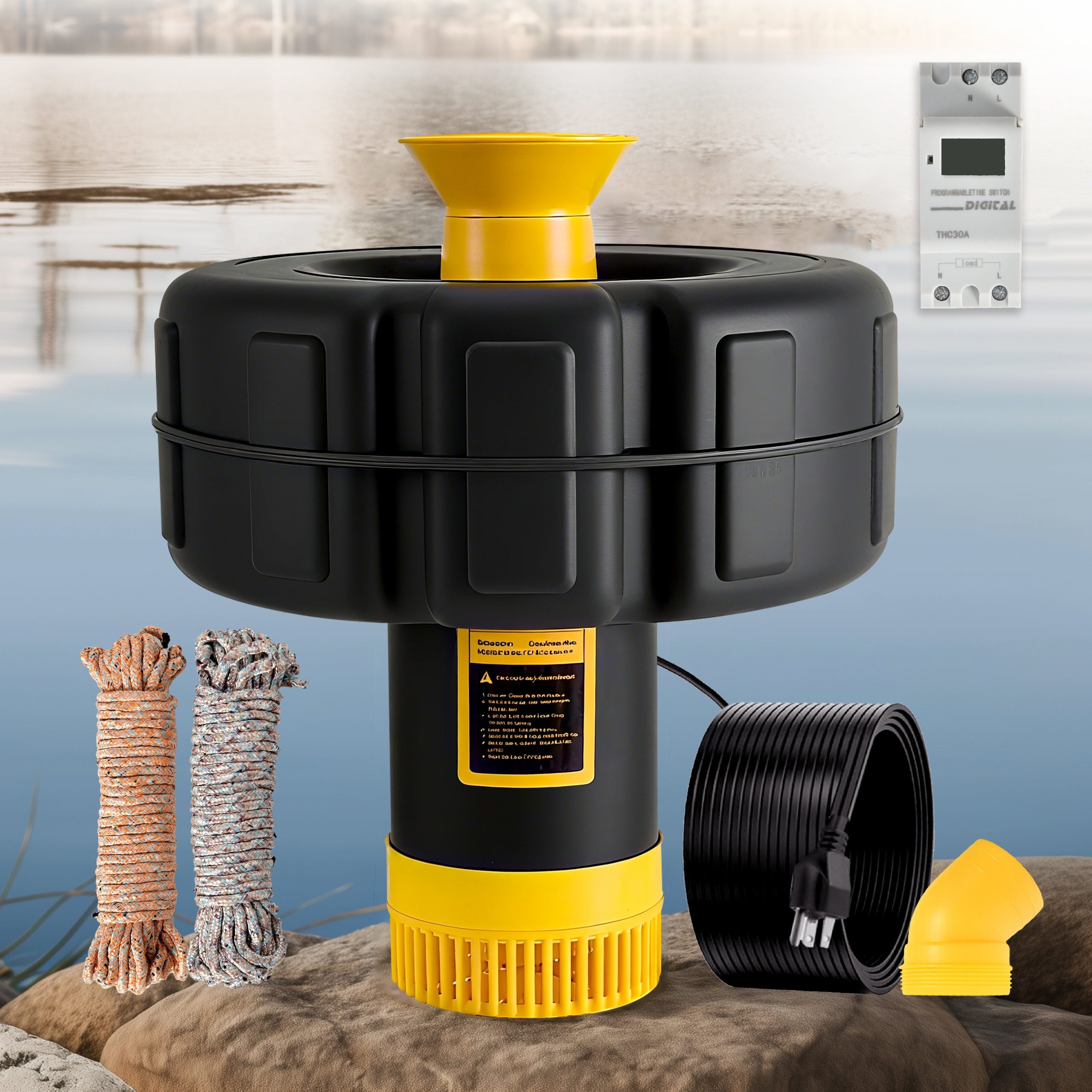
Too many home installations start with good intentions and end in half-working gear: weak jets, flickering LEDs, and a tangle of timers and transformers. If your goal is a relaxing centerpiece, a confused system won’t cut it. That’s why investing in a purpose-built pond fountain package — one pump sized for the basin, integrated lighting, and a simple remote or controller — solves many of the common headaches up front.
What typically causes the bottlenecks
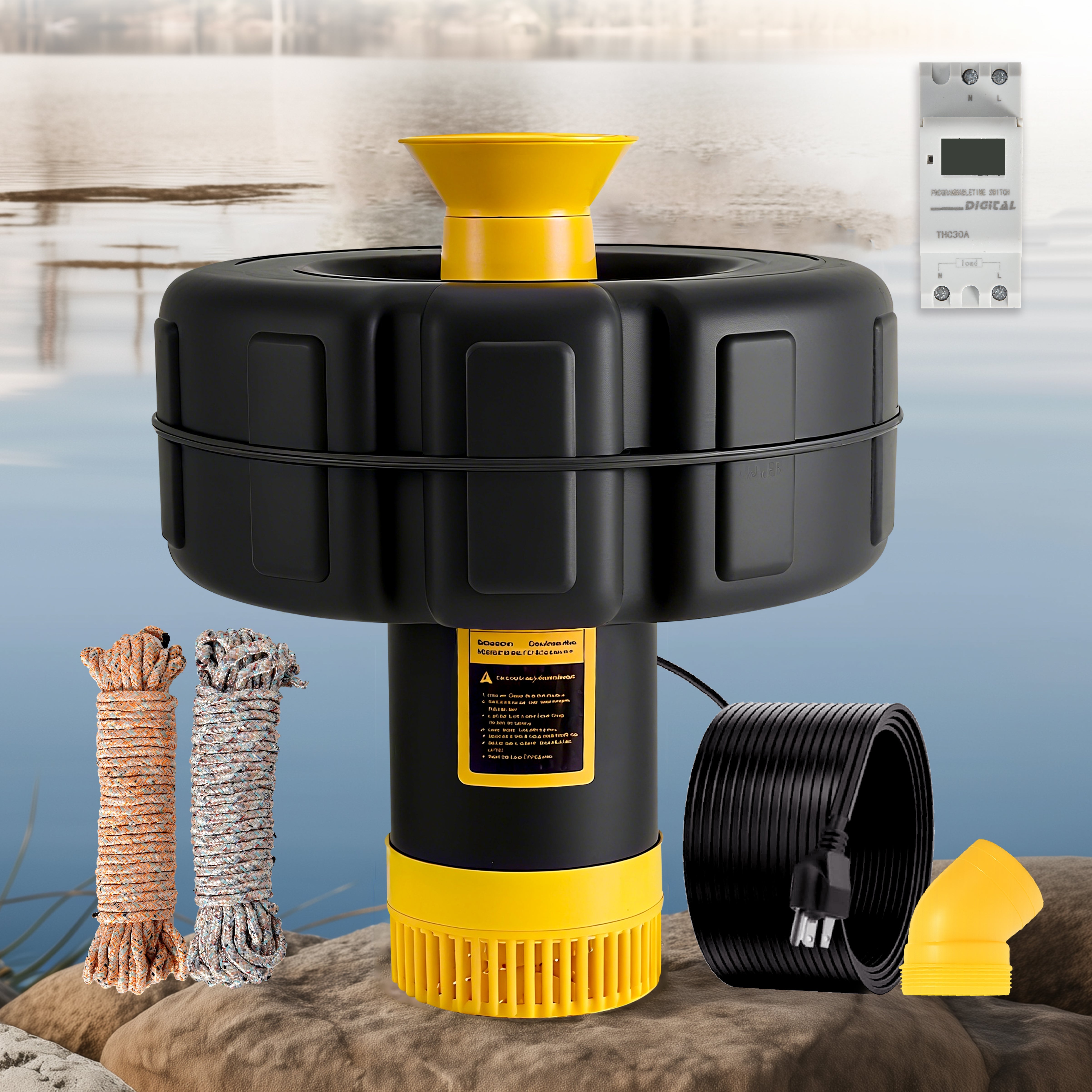
There are three recurring failure modes: underpowered pumps, mismatched hydraulics, and ad-hoc electrical setups. An undersized pump produces low flow and poor spray height; mismatched nozzle and head produce sputtering streams; and piecemeal wiring increases failure points and safety risk. Add supply-chain delays from the 2020 pandemic and you’ve got brands and DIYers waiting months for compatible pumps or LED drivers — so the wrong choice becomes expensive in both time and money.
Why a dedicated large pump + lights + remote is superior
Purpose-built systems are engineered holistically. A large, properly rated submersible pump matched to nozzle size delivers consistent flow rate and predictable spray patterns. Integrated lighting uses the same power platform, so voltage and waterproofing are coordinated. A single remote or smart controller reduces wiring complexity and lets you protect the system with scheduled runs and soft-starts — which prolong pump life. In short: fewer mismatches, fewer visits from installers, and cleaner performance on Day One.
Design checklist for a reliable backyard pond fountain
Use this practical list when planning or evaluating options:
- Calculated pump sizing: match pump flow curve to fountain head height and nozzle diameter.
- Appropriate nozzle selection: adjust pattern (bloom, threaded, multi-stream) to basin scale.
- Integrated lighting: ensure LED driver compatibility and IP-rated connections for underwater use.
- Filtration and skimming: pre-filtering reduces maintenance and extends pump life.
- Remote/controller features: timers, dimming, and frost- or drought-mode to protect the system.
Common mistakes and quick fixes
People often underestimate head height or assume a pump’s max gph is the number that matters — it isn’t. You need the flow at the required head. Also, mixing components from different vendors creates unseen tolerance issues around fittings and thread types. Fixes? Test with a temporary setup before finalizing hard plumbing, and keep a simple acceptance checklist that includes measured spray height and runtime temperature. — It saves a lot of back-and-forth and a small fortune on returns.
How to evaluate vendors and packages
When comparing options — modular DIY bits vs. integrated kits — ask these questions: does the vendor provide pump curves and measured flow-by-head data? Are LEDs and drivers rated for continuous submersion? What warranty covers water damage and electrical faults? Also check lead times: after 2020 many suppliers added realistic estimates for pumps and electronics. Choose a vendor that offers on-site support or easy part replacement to avoid long downtimes.
Case examples and quick comparisons
From compact patio fountains to larger pond installations, the payoff of a matched system scales. Small units benefit from pre-matched pump/nozzle combos; larger pools demand pump curves and optionally a variable-speed drive for seasonal tuning. If you’re retrofitting an existing pond, a modular kit may be cheaper up front — but expect more trial-and-error. If you’re building new, the integrated route saves time and produces a more consistent result.
Three golden rules for selecting the right system
1) Match hydraulics, not specs: insist on pump curves and confirm flow at the required head. 2) Simplify the electrical architecture: use a single, IP-rated power solution with a controller to minimize failure points. 3) Design for maintainability: choose easily replaceable nozzles, accessible filters, and vendors with spare-part support.
Follow those rules and your installation will run cleaner, quieter, and with fewer outages — which matters when friends expect the fountain to impress and not be a weekend project. For reliable, integrated options that make setup straightforward, consider how an established supplier can bundle pump sizing, lighting, and control into one package — that’s where the value lands. Orison. —